Signs a Tree Is Dangerous Near Your House
A large tree near your home can provide valuable shade, privacy, and curb appeal. However, when a tree becomes unstable, diseased, or structurally compromised, it can quickly turn into a serious safety hazard.
Every year, Queensland storms cause significant damage from falling branches, uprooted trees, and storm-damaged vegetation. Knowing the warning signs of a dangerous tree can help you act before it causes damage to your home, vehicles, fences, or neighbouring properties.
At
GTS Trees, our qualified arborists regularly assess trees across Brisbane, Ipswich, Logan, Toowoomba, the Scenic Rim, and surrounding South-East Queensland regions. While most trees can be managed through proper maintenance, some require urgent attention to prevent property damage or personal injury.
Quick Answer: What Makes a Tree Dangerous Near a House?
A tree may be dangerous if it has dead branches, visible decay, significant lean, root damage, structural defects, storm damage, disease, or is growing too close to your home or powerlines. Trees showing multiple warning signs should be inspected by a qualified arborist as soon as possible. GTS Trees identifies hazardous trees through professional risk assessments and recommends the safest course of action, whether that is pruning, maintenance, or removal.
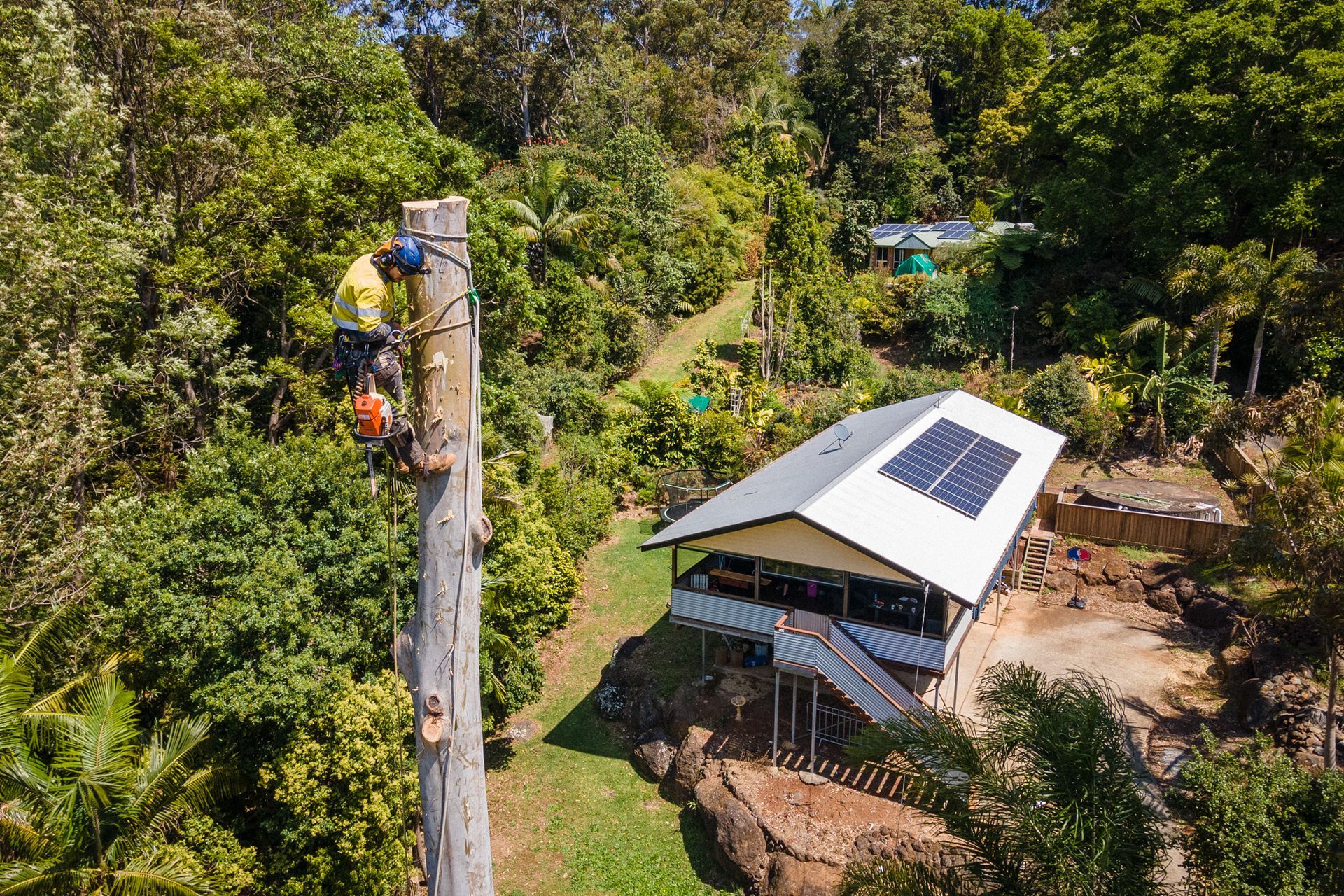
1. Large Dead Branches Hanging Over Your Home
One of the most common hazards is dead or dying branches positioned above roofs, driveways, outdoor living areas, or walkways. Dead branches become brittle and can fall without warning, particularly during high winds, heavy rain, or storms.
Warning signs include:
- Branches with no leaves during the growing season
- Cracked or split limbs
- Bark peeling away from branches
- Frequent branch drop
- Dead limbs extending over your roof
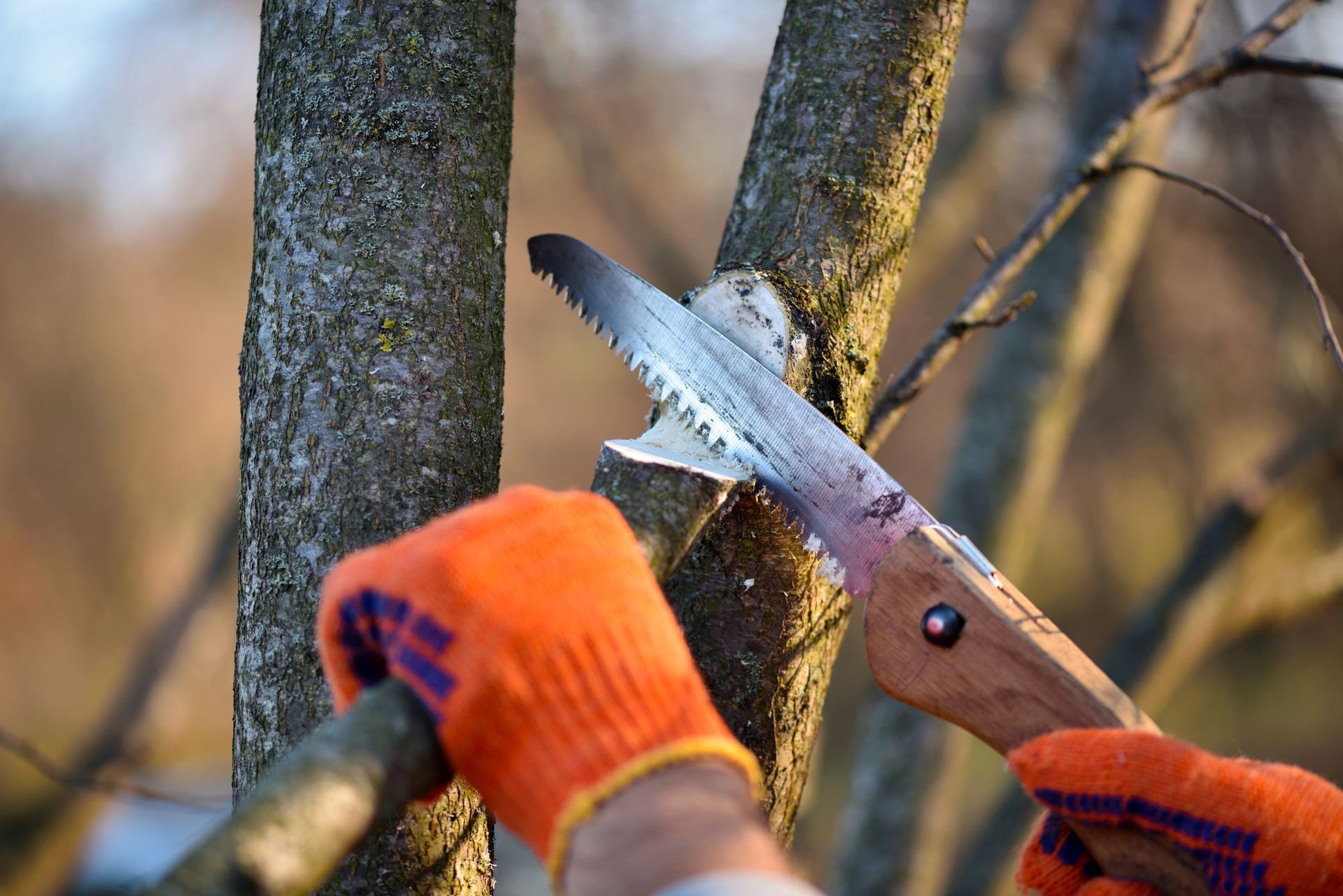
Hazardous branches can often be removed through professional pruning before they become a larger problem.
2. The Tree Is Leaning Towards Your House
While some trees naturally grow with a slight lean, a tree that suddenly begins leaning or appears to be progressively leaning toward your house should be assessed immediately.
Signs of instability include:
- Fresh soil cracking around the base
- Exposed roots
- Raised ground on one side of the tree
- A noticeable increase in lean after storms
Leaning trees may indicate root failure and can become highly dangerous during severe weather.
3. Cracks or Splits in the Trunk
A healthy trunk should be structurally sound and free from major defects. Large cracks, splits, or separations can indicate the tree is at risk of structural failure.
Pay attention to:
- Vertical cracks running up the trunk
- Splits where major branches join
- Open wounds that continue to enlarge
- Multiple trunks separating from one another
These defects can significantly weaken a tree's ability to withstand strong winds and storm events.
4. The Tree Has Visible Decay or Hollow Areas
Decay is not always visible from the outside, but obvious signs often indicate internal deterioration.
Common indicators include:
- Hollow cavities
- Rotting wood
- Mushrooms or fungal growth on the trunk
- Soft or crumbling timber
- Large dead sections within the canopy
A tree can appear healthy externally while suffering significant internal decay that compromises its structural integrity.
5. Tree Roots Are Damaging Your Property
Roots play a critical role in tree stability. When root systems become damaged or begin affecting nearby structures, problems can develop quickly.
Look for:
- Cracked driveways
- Lifted pavers
- Retaining wall movement
- Blocked drains
- Foundation concerns
- Exposed or damaged roots
Root problems can indicate both property damage risks and potential stability issues for the tree itself.
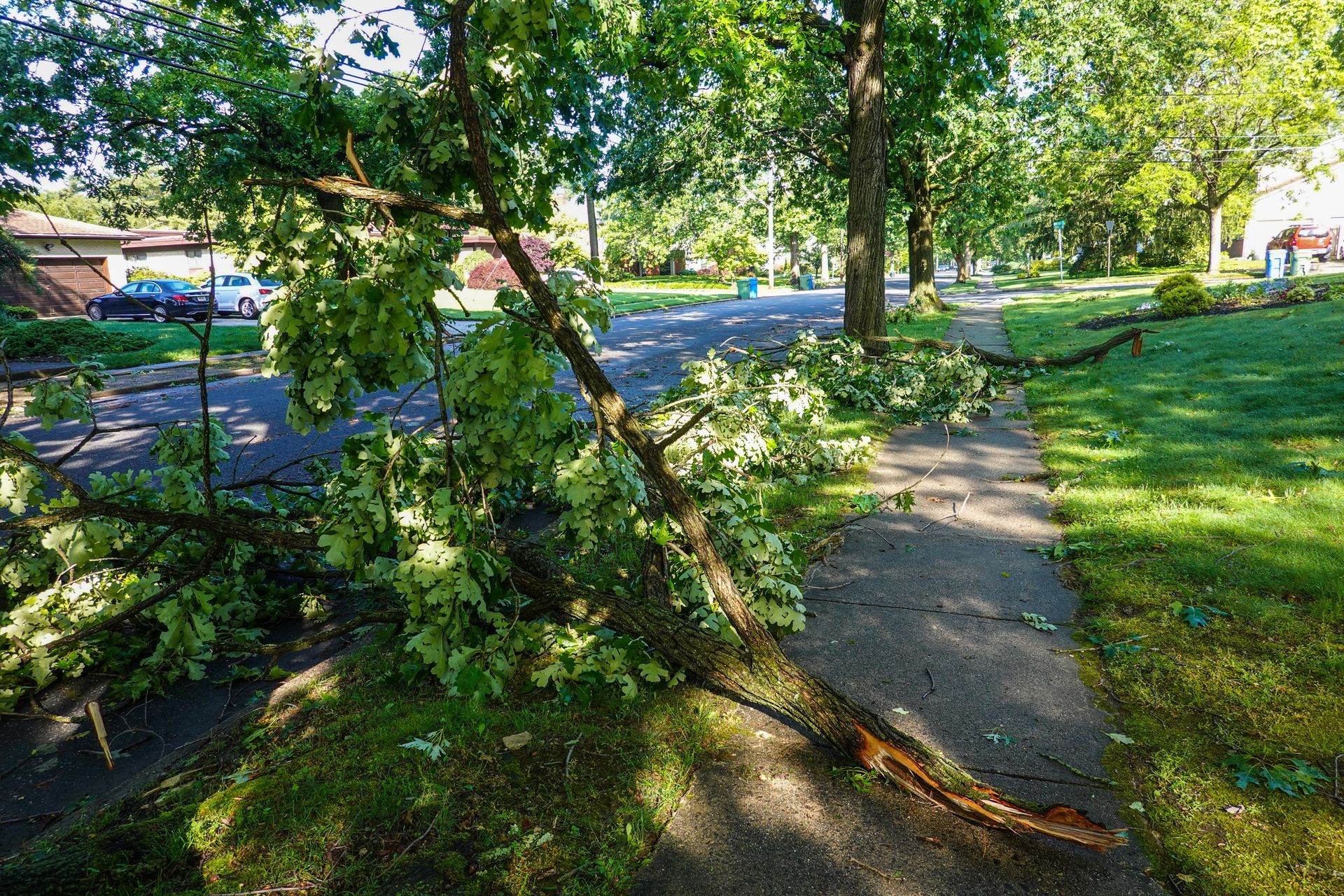
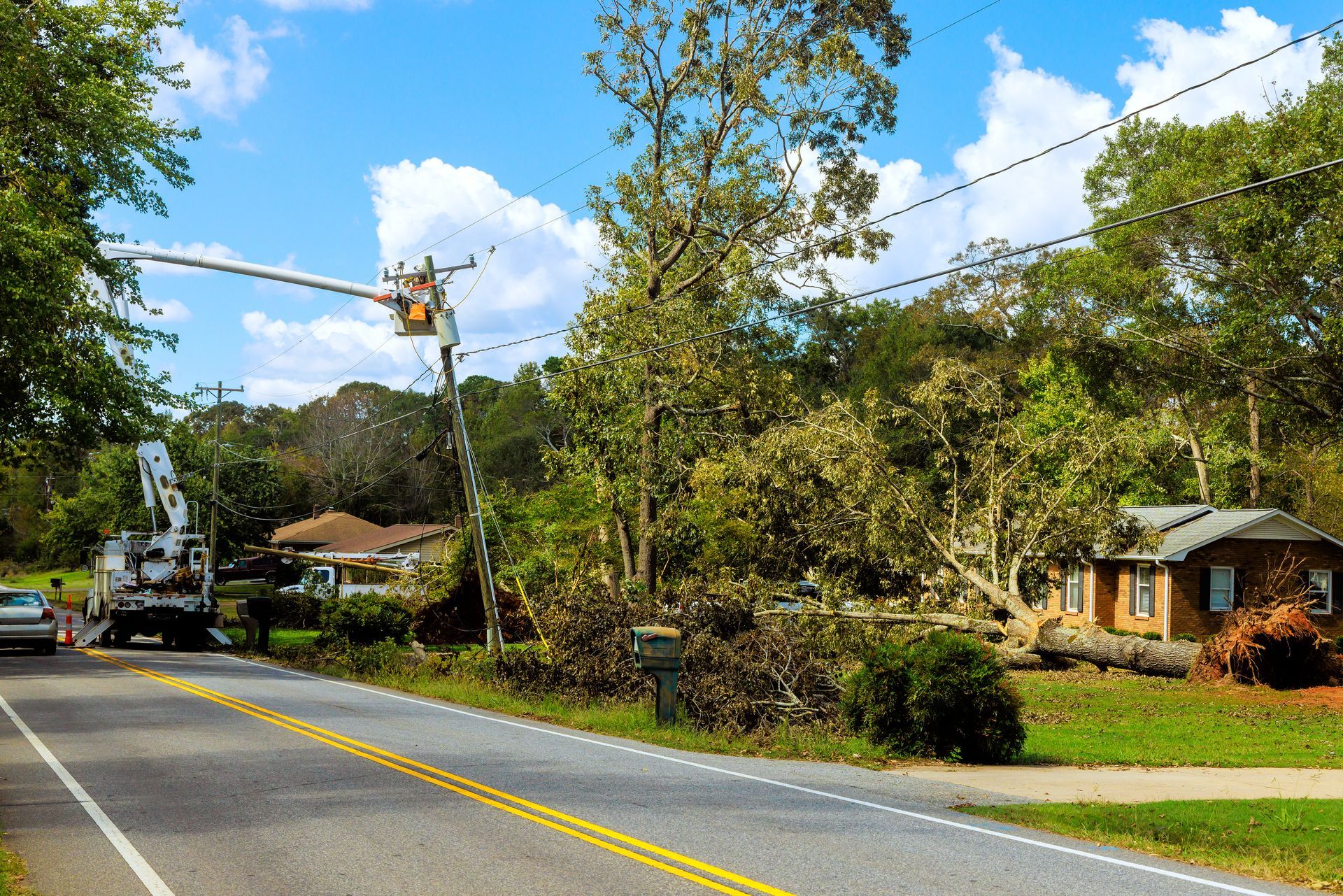
6. The Tree Was Recently Damaged in a Storm
Queensland's storm season places enormous pressure on trees.
After severe weather, inspect for:
- Hanging branches
- Broken limbs
- Split trunks
- Trees leaning after wind events
- Root plate movement
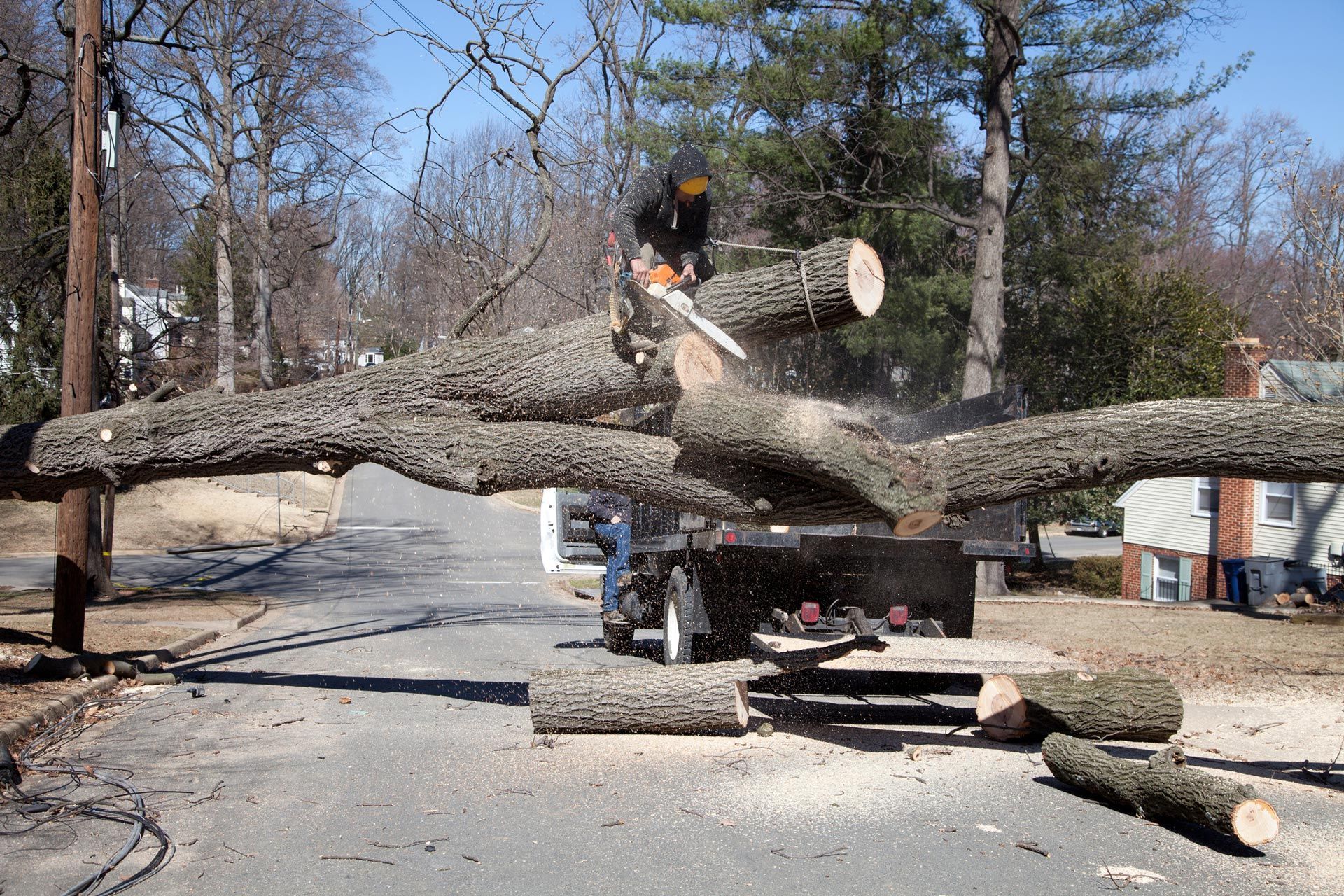
Many storm-damaged trees remain standing but become structurally unsafe. Prompt assessment can prevent further damage. GTS Trees provides emergency storm response services throughout South East Queensland.
7. Branches Are Touching Your Roof or Gutters
Branches that regularly contact your home can create several issues.
Potential risks include:
- Roof damage
- Broken gutters
- Water ingress
- Increased pest access
- Branch failure during storms
Overhanging branches should be professionally assessed and maintained before they cause costly repairs.
8. The Tree Is Growing Near Powerlines
Trees growing into or near powerlines present a serious safety hazard.
Warning signs include:
- Branches touching powerlines
- Limbs growing through utility infrastructure
- Trees leaning toward overhead services
Never attempt to prune trees near powerlines yourself. Specialised equipment and procedures are required to manage these risks safely.
9. The Tree Shows Signs of Disease or Decline
Tree health problems often increase the likelihood of branch failure.
Common signs include:
- Yellowing leaves
- Premature leaf drop
- Dead sections of canopy
- Excessive insect activity
- Fungal growth
- Dying branches
Early intervention may save the tree, but advanced decline can increase the risk of failure and may require removal.
10. The Tree Is Too Large for Its Location
Sometimes a tree is healthy but has simply outgrown the space available.
This can lead to:
- Excessive overhang above structures
- Encroachment on neighbouring properties
- Increased storm exposure
- Ongoing maintenance challenges
An arborist can assess whether pruning is sufficient or whether removal may provide a safer long-term solution.
Can a Dangerous Tree Be Saved?
Not always, but removal is rarely the first recommendation.
Many hazardous trees can be managed through:
- Deadwood removal
- Crown reduction
- Selective pruning
- Structural support systems
- Ongoing arborist monitoring
At GTS Trees, we always explore practical management options before recommending tree removal. Our goal is to maintain healthy trees wherever it is safe and appropriate to do so.
Tree Risk Assessments Across South-East Queensland
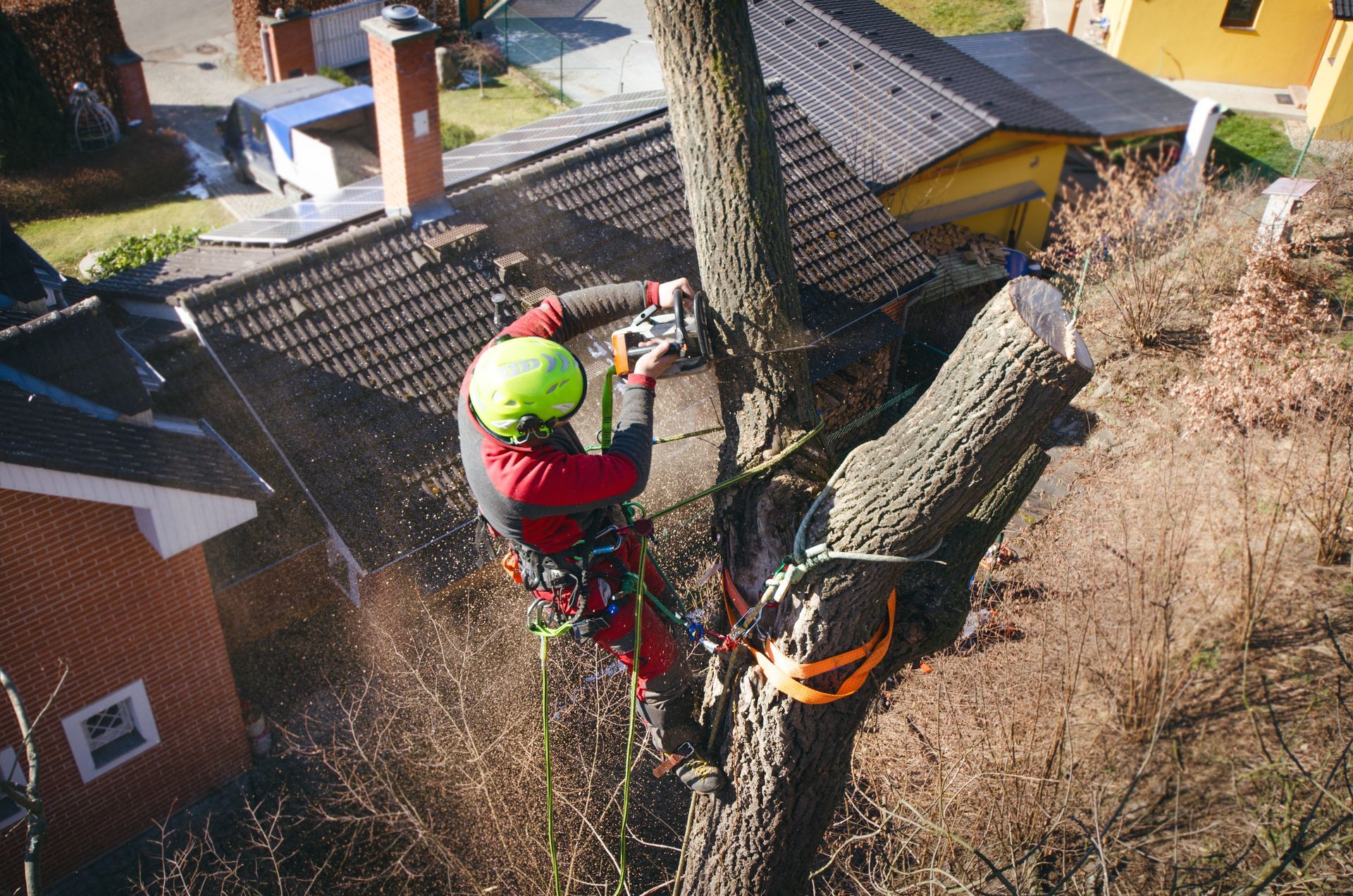
If you're concerned about a tree near your home, a professional arborist inspection can provide peace of mind. GTS Trees provides tree risk assessments, pruning, tree lopping, emergency storm response, arborist advice, and safe tree removal services. Our qualified arborists can identify structural defects, assess tree health, and recommend the safest solution for your property.
Contact GTS Trees
If you've noticed any of these warning signs, don't wait until a branch falls or a storm exposes hidden defects. The experienced team at GTS Trees can assess your tree, identify potential hazards, and provide expert recommendations for pruning, maintenance, or safe removal.
Contact us today for professional arborist advice and a free quote across South-East Queensland.