9 Signs Your Tree May Need Removing
Trees are a valuable part of any property, providing shade, privacy, wildlife habitat, and aesthetic appeal. However, even healthy-looking trees can develop structural issues, become hazardous, or outgrow their surroundings.
Knowing the signs a tree needs removing can help protect your home, family, vehicles, and neighbouring properties from avoidable damage.
At
GTS Trees, we've assessed and removed thousands of trees across South-East Queensland. While tree removal is generally considered a last resort, there are certain warning signs that indicate a tree may have become unsafe, unhealthy, or unsuitable for its location.
Quick Answer: How Do You Know If a Tree Needs Removing?
A tree may need removing if it is dead, dying, structurally unstable, severely storm-damaged, leaning unexpectedly, suffering from advanced disease, or causing damage to buildings, driveways, or underground services. A qualified arborist can perform a tree risk assessment to determine whether the tree can be safely retained through pruning or whether removal is the safest option.
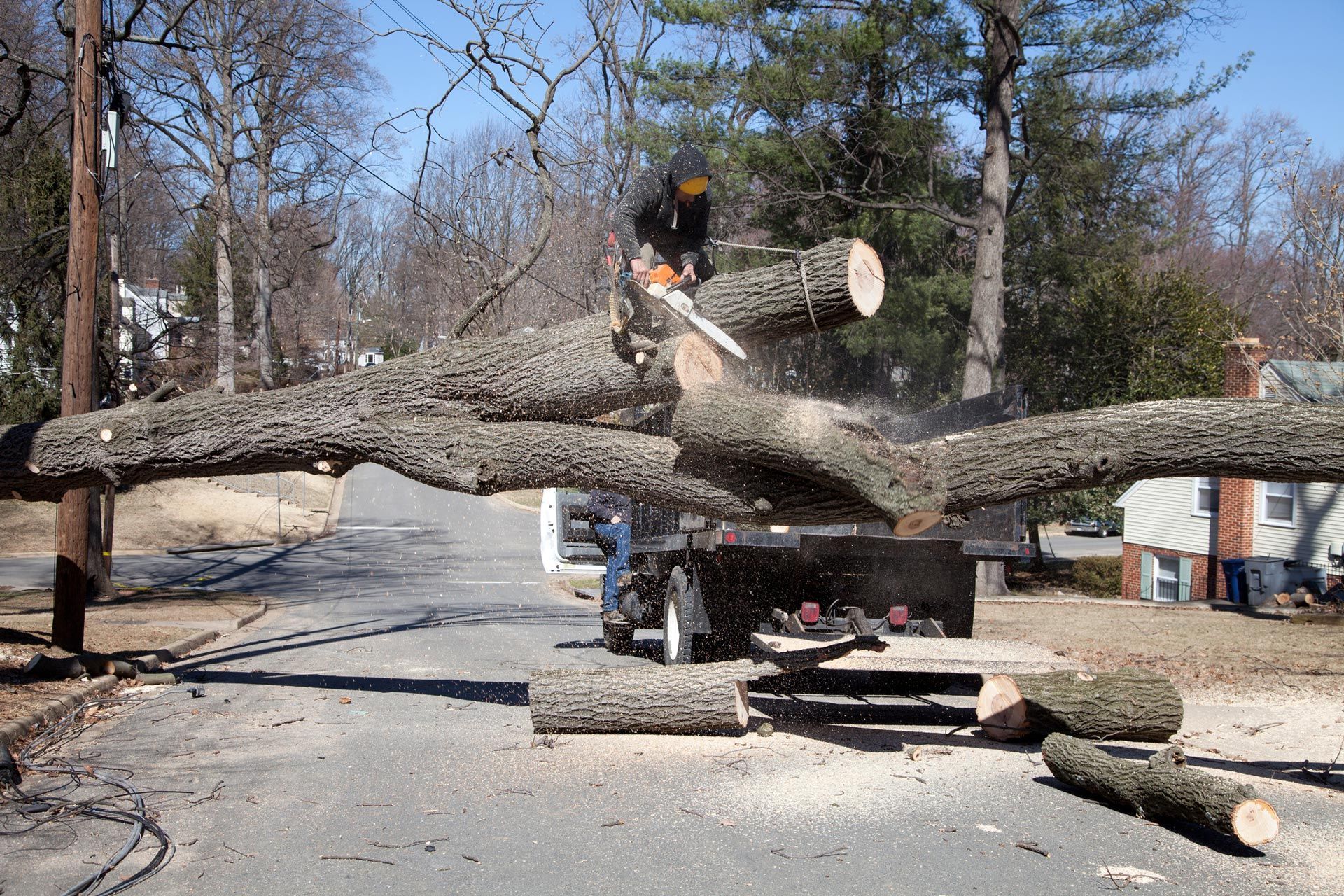
1. The Tree Is Dead or Dying
One of the most obvious signs a tree may need removal is significant decline in health.
Dead trees become increasingly brittle and unstable over time, making them more likely to shed branches or fail completely during strong winds and storms.
Common signs include:
- Large sections without leaves during the growing season
- Dead branches throughout the canopy
- Significant bark loss
- Fungal growth on the trunk or around the roots
- Visible decay or hollow sections
- Brittle branches that snap easily
Dead tree removal is often necessary to eliminate safety risks before the tree fails unexpectedly.
2. The Tree Is Leaning More Than Normal
Many trees naturally develop a slight lean. However, a sudden lean or an increasing lean can indicate serious structural issues.
Warning signs include:
- Fresh cracks in the soil around the base
- Exposed or lifted roots
- Soil movement following heavy rainfall
- A lean that appears to be worsening over time
Leaning trees can become particularly dangerous during Queensland's storm season, where high winds and saturated soils place additional stress on root systems.
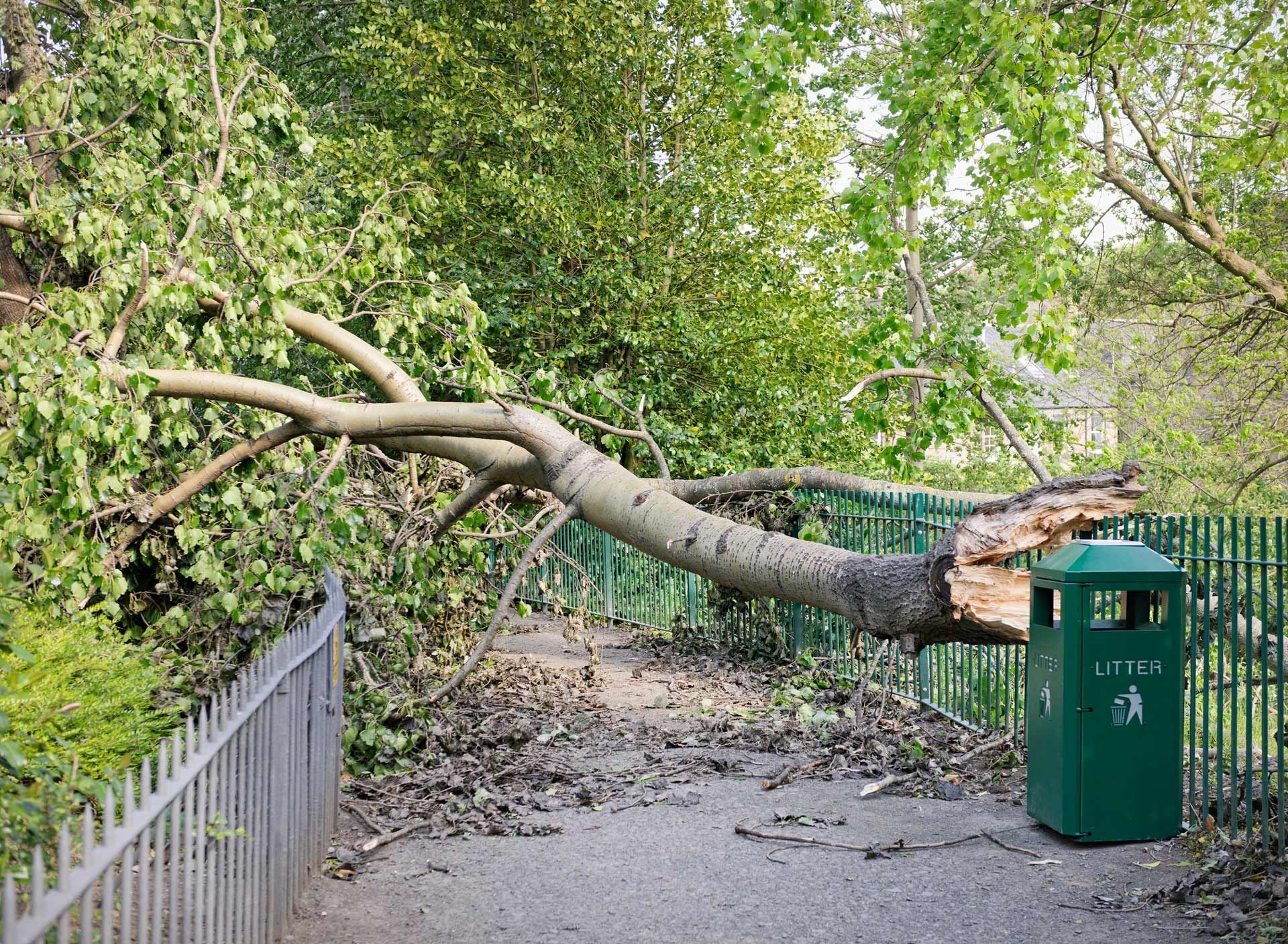
3. Large Branches Are Dead, Cracked or Falling
Dead or damaged branches are often the first sign that a tree's health or structural integrity is declining.
You may notice:
- Large branches with little or no foliage
- Branches hanging over roofs, sheds or driveways
- Cracked limbs
- Frequent branch drop during calm weather
In some cases, arborist pruning can resolve the issue. However, widespread branch death may indicate the entire tree is in decline.
4. The Tree Has Major Structural Defects
Structural defects can make even a living tree unsafe.
Look for:
- Deep cracks in the trunk
- Splits where major limbs join
- Large cavities or hollow sections
- Weakly attached multi-stem trunks
- Significant trunk wounds
Trees with severe structural defects are more susceptible to failure during storms and may require removal to prevent injury or property damage.
5. Disease or Pest Infestation Is Advanced
Tree diseases and pest infestations can weaken trees internally long before obvious symptoms appear.
Common signs include:
- Yellowing or discoloured leaves
- Premature leaf drop
- Excessive deadwood
- Fungal fruiting bodies
- Oozing sap
- Visible insect infestations
While some tree diseases can be treated, advanced infections may leave removal as the safest and most practical option.
6. Tree Roots Are Causing Property Damage
Tree roots can extend far beyond the canopy and sometimes interfere with nearby structures.
Potential issues include:
- Cracked driveways and pathways
- Lifted pavers
- Damage to retaining walls
- Blocked drains and pipes
- Foundation movement
When roots begin causing significant property damage, an arborist assessment can determine whether pruning, root management, or tree removal is required.
7. The Tree Is Too Close to Buildings or Powerlines
Trees that were once appropriate for a location can eventually outgrow their available space.
Problems may include:
- Branches contacting roofs or gutters
- Encroachment on powerlines
- Reduced access around buildings
- Increased bushfire fuel loads
- Ongoing maintenance requirements
If a tree cannot be safely managed through regular pruning, removal may provide the most effective long-term solution.
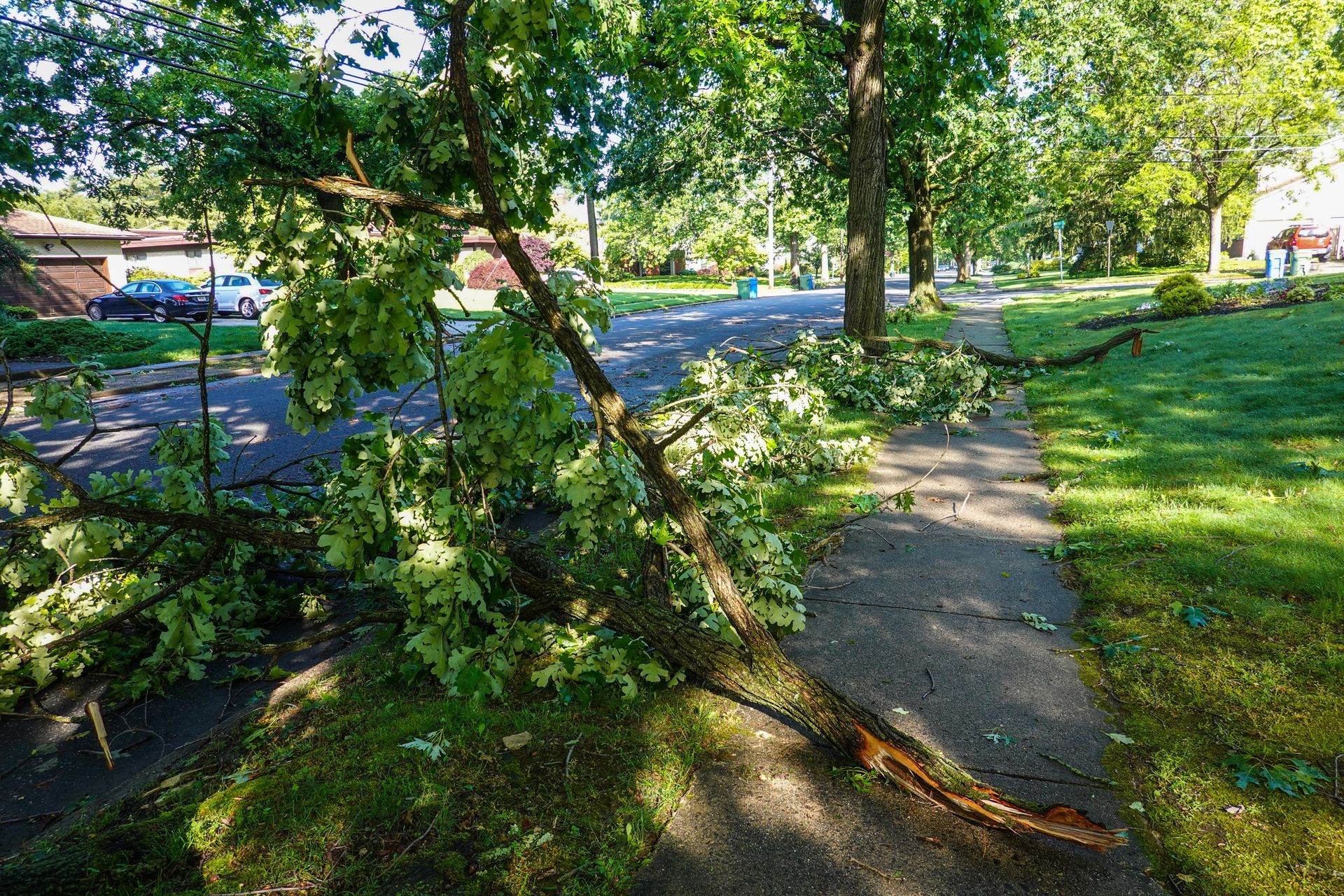
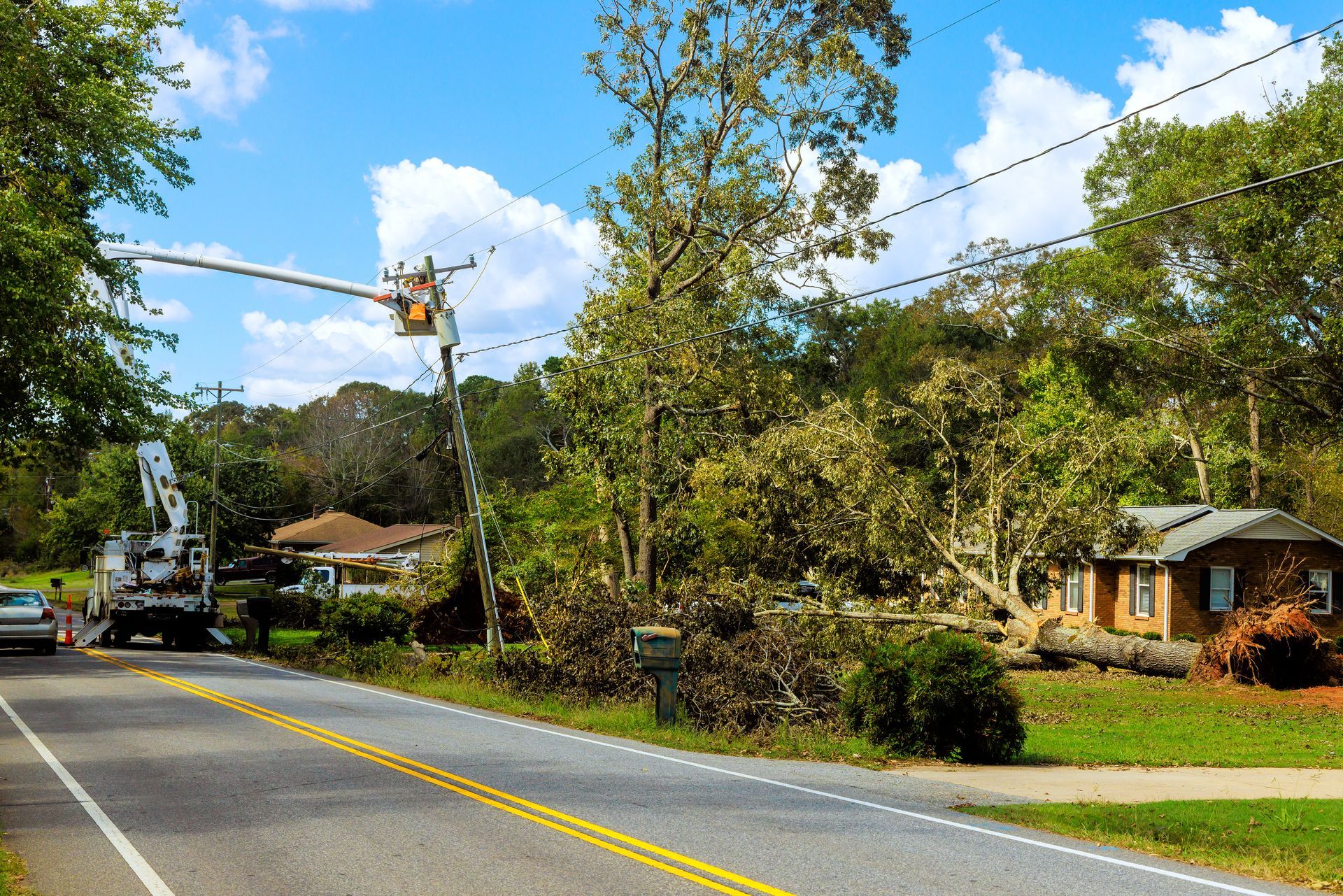
8. The Tree Has Been Severely Damaged by a Storm
Storm-damaged trees are one of the most common reasons for emergency tree removal across Queensland.
Following severe weather, inspect your trees for:
- Split trunks
- Broken scaffold limbs
- Hanging branches
- Root plate movement
- Trees leaning after high winds
Even if a tree remains standing, internal damage may compromise its structural integrity. A professional inspection can help determine whether the tree can be retained safely.
9. The Tree Presents an Ongoing Safety Risk
Ultimately, any tree that poses an unreasonable risk to people or property should be professionally assessed.
Examples include:
- Trees overhanging homes
- Trees above playgrounds or schools
- Trees near busy roads or car parks
- Trees with a history of branch failure
- Trees showing multiple signs of decline
A tree risk assessment can help identify hazards before they become emergencies.
Do All Problem Trees Need Removing?
Not necessarily.
Many trees can be safely retained through proactive tree management, including:
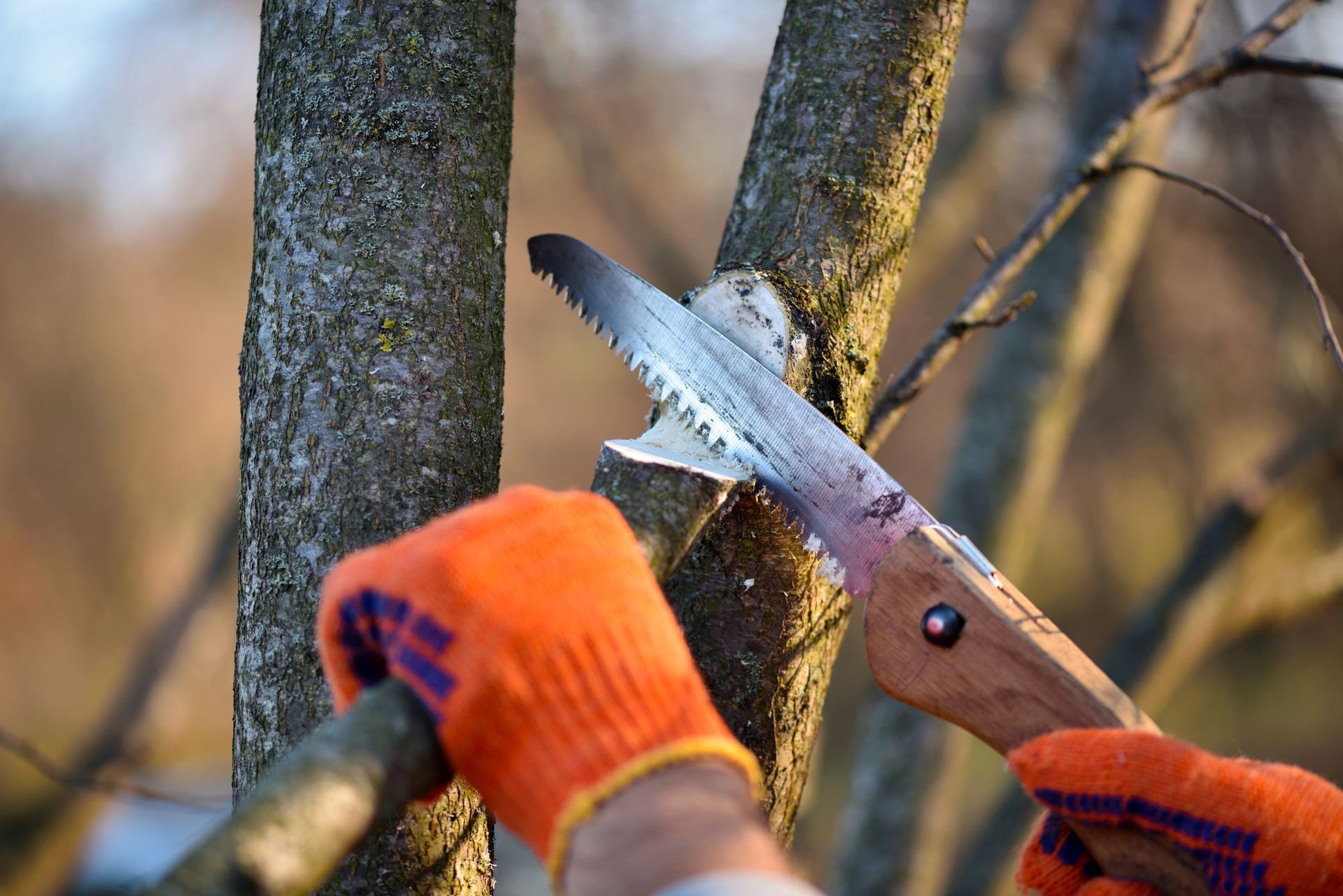
- Corrective pruning
- Deadwood removal
- Crown reduction
- Canopy thinning
- Structural support systems
- Ongoing monitoring
An experienced arborist will consider the tree's health, structural condition, location, and risk profile before recommending removal.
Do I Need Council Approval to Remove a Tree?
Council requirements vary depending on your location, the species involved, and whether the tree is protected by local planning regulations or environmental overlays.
Before removing a tree, it's important to understand any applicable council requirements. A qualified arborist can help identify whether approvals may be required and guide you through the process.
Contact GTS Trees
If you're concerned about the condition of a tree on your property, don't wait until it becomes an emergency.
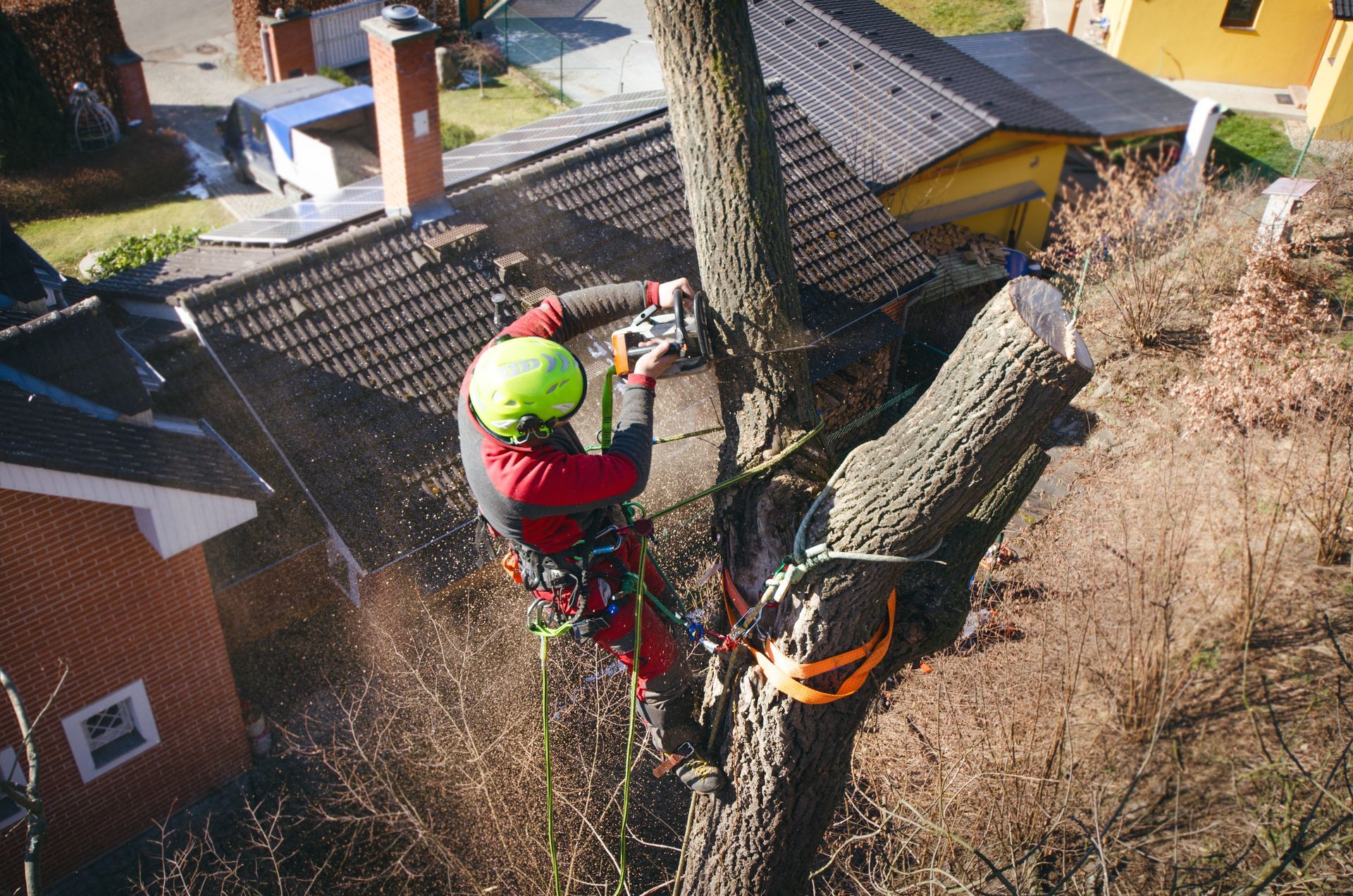
The experienced team at GTS Trees can assess your tree, explain your options, and provide expert advice on tree pruning, tree risk assessments, and safe tree removal throughout South-East Queensland.
Contact us today for professional arborist advice and a free quote.