Tree Lopping vs Tree Pruning: What’s the Difference?
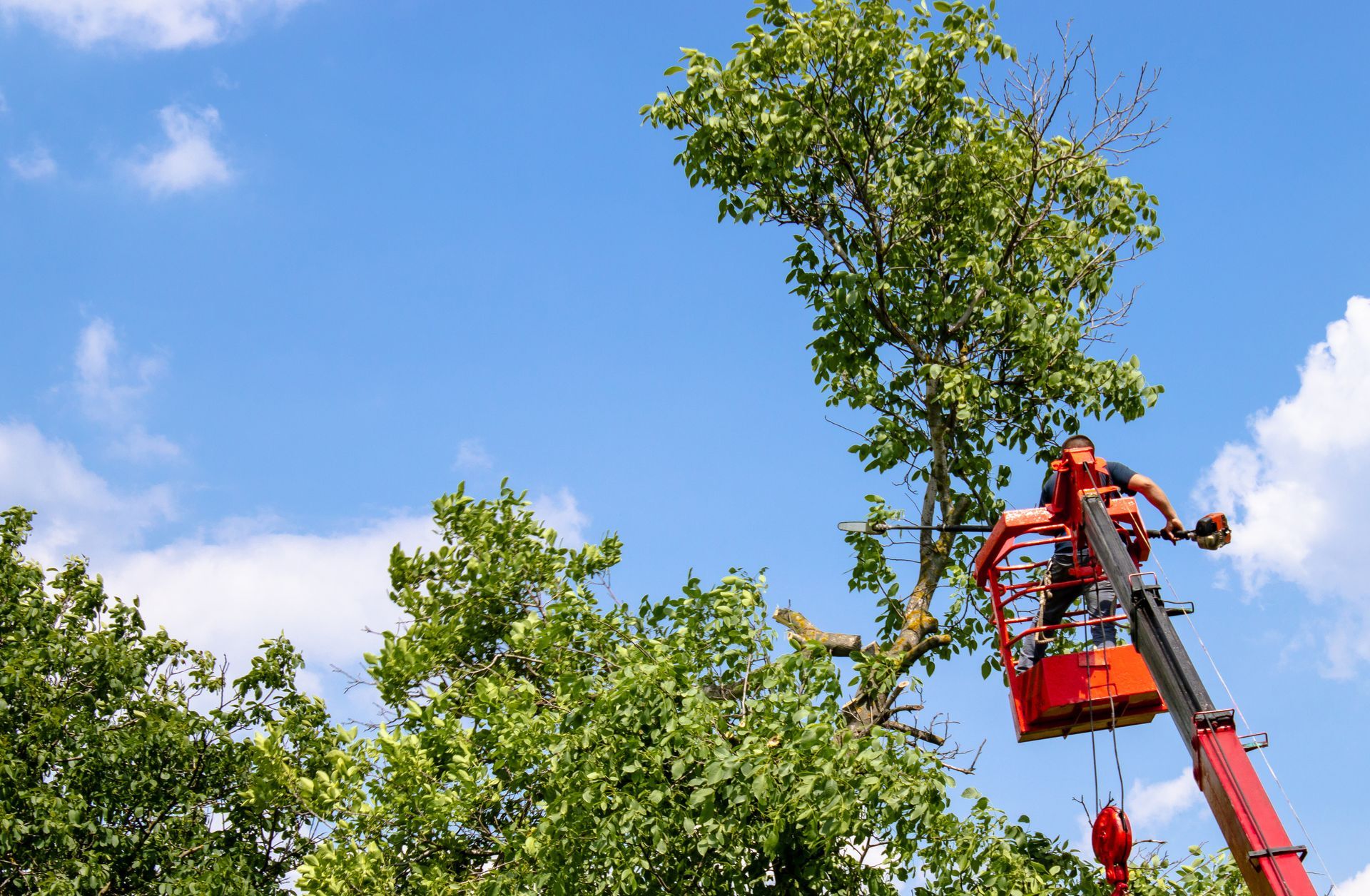
When it comes to maintaining trees, the terms tree lopping and tree pruning are often used interchangeably. However, they refer to very different tree management practices, and understanding the difference can help you make informed decisions about the health, safety, and appearance of your trees.
At GTS Trees, one of the most common issues we encounter is trees that have been heavily lopped in the past and are now suffering from poor structure, weak regrowth, or increased safety risks. In many situations, professional tree pruning would have delivered a better long-term outcome while preserving the health of the tree.
What Is Tree Pruning?
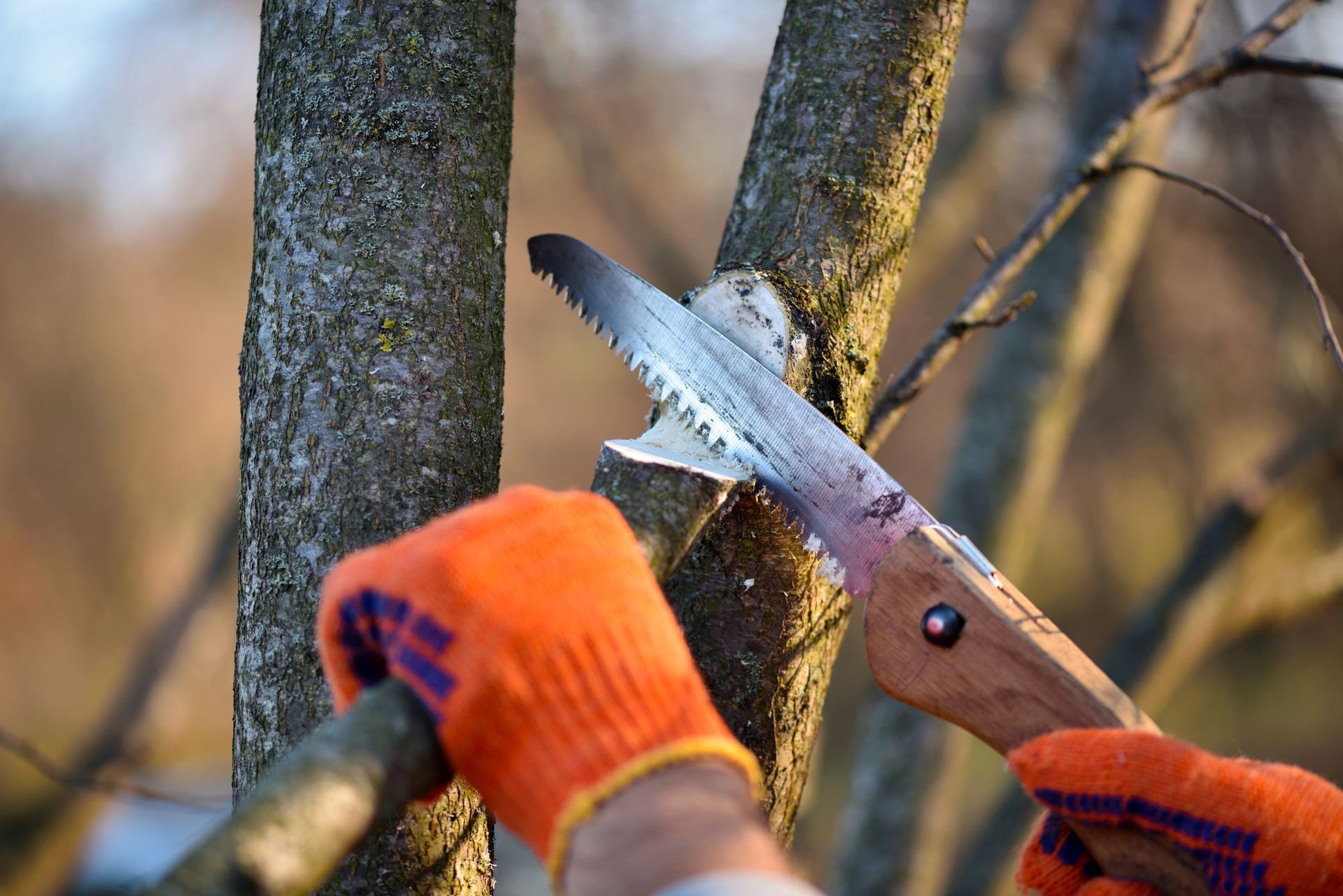
Tree pruning is the selective removal of specific branches to improve a tree's health, structure, safety, and appearance. Rather than removing large sections of a tree indiscriminately, pruning is performed with a clear purpose and according to arboricultural best practices. Professional arborists assess the tree's species, condition, growth habits, and surrounding environment before deciding which branches should be removed.
Common reasons for tree pruning include:
- Removing dead, diseased, or damaged branches
- Improving tree health and longevity
- Reducing the risk of falling limbs
- Increasing clearance around homes, roofs, powerlines, and driveways
- Encouraging healthy and balanced growth
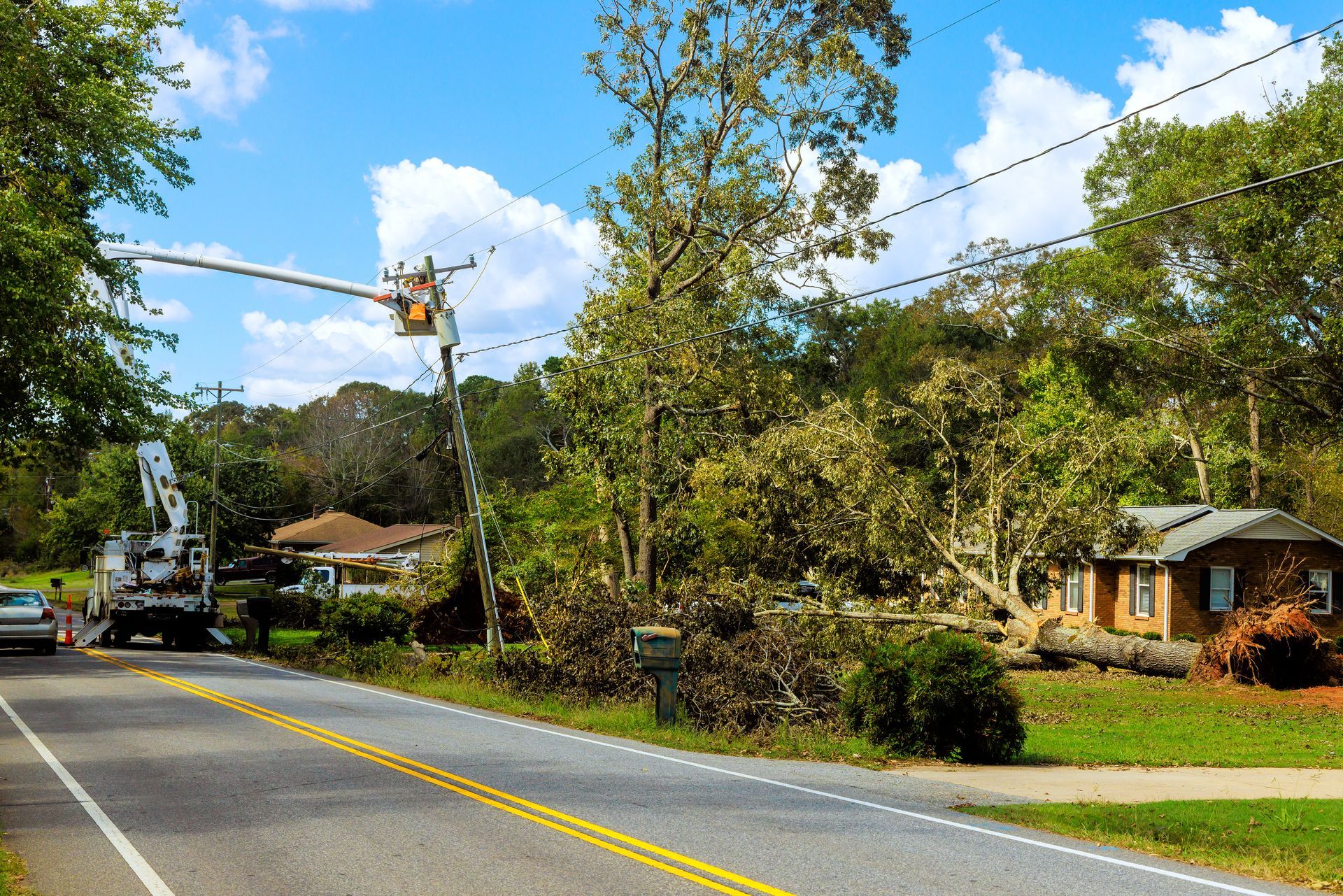
- Preparing trees for severe weather and storm season
- Improving sunlight penetration and airflow
- Maintaining the tree's natural shape and appearance
When carried out correctly, tree pruning supports the tree's natural growth patterns and helps reduce future maintenance requirements.
What Is Tree Lopping?
Tree lopping typically involves cutting back large sections of a tree's canopy, branches, or crown to reduce its size or height quickly. Historically, tree lopping was commonly used as a method of tree maintenance, but modern arboriculture generally discourages excessive or unnecessary lopping due to the potential impacts on tree health and structural integrity.
In many cases, tree lopping involves:
- Removing large limbs without considering future growth
- Cutting branches back to stubs
- Drastically reducing the canopy
- Altering the natural structure of the tree
While lopping may provide an immediate reduction in size, it can often create additional problems that require ongoing management.
Why Improper Tree Lopping Can Cause Problems
One of the primary concerns with excessive tree lopping is the stress it places on the tree. Trees rely on their canopy to produce energy through photosynthesis. When a significant portion of foliage is removed, the tree often responds by producing rapid regrowth to compensate for the loss. Unfortunately, this regrowth is typically weak, poorly attached, and more susceptible to failure.
Potential issues associated with improper tree lopping include:
- Increased vulnerability to pests, disease, and decay
- Weakly attached epicormic growth
- Reduced tree lifespan
- Structural instability
- Greater risk of branch failure during storms
- Ongoing maintenance costs
- Poor aesthetics and unnatural tree shape
- Sunburn damage to previously shaded limbs and trunk sections
Over time, a heavily lopped tree can become more hazardous and expensive to manage than it was originally.
Is Tree Lopping Ever Necessary?
Tree lopping is not always inappropriate. There are circumstances where substantial canopy reduction may be required to address immediate safety concerns.
Examples include:
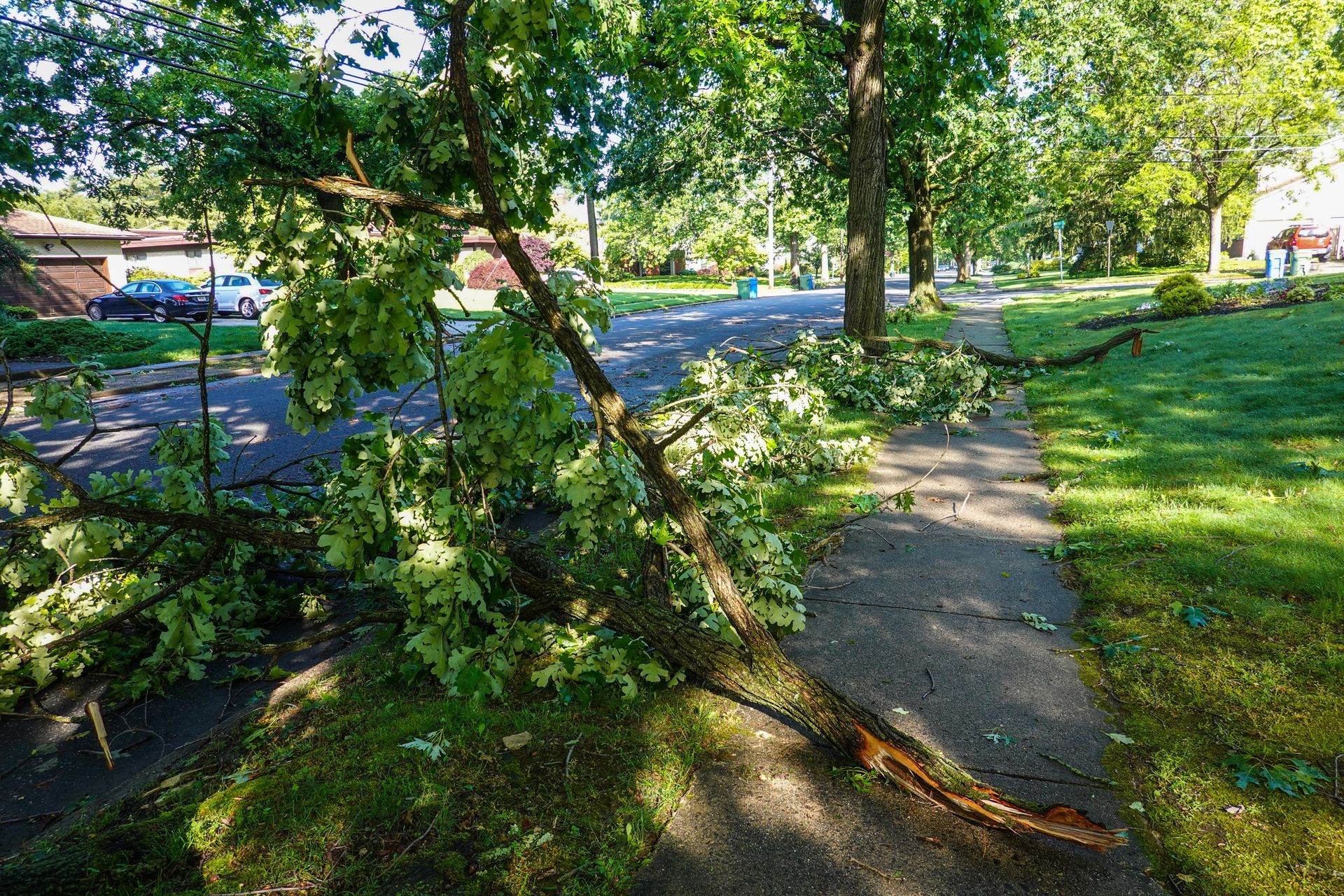
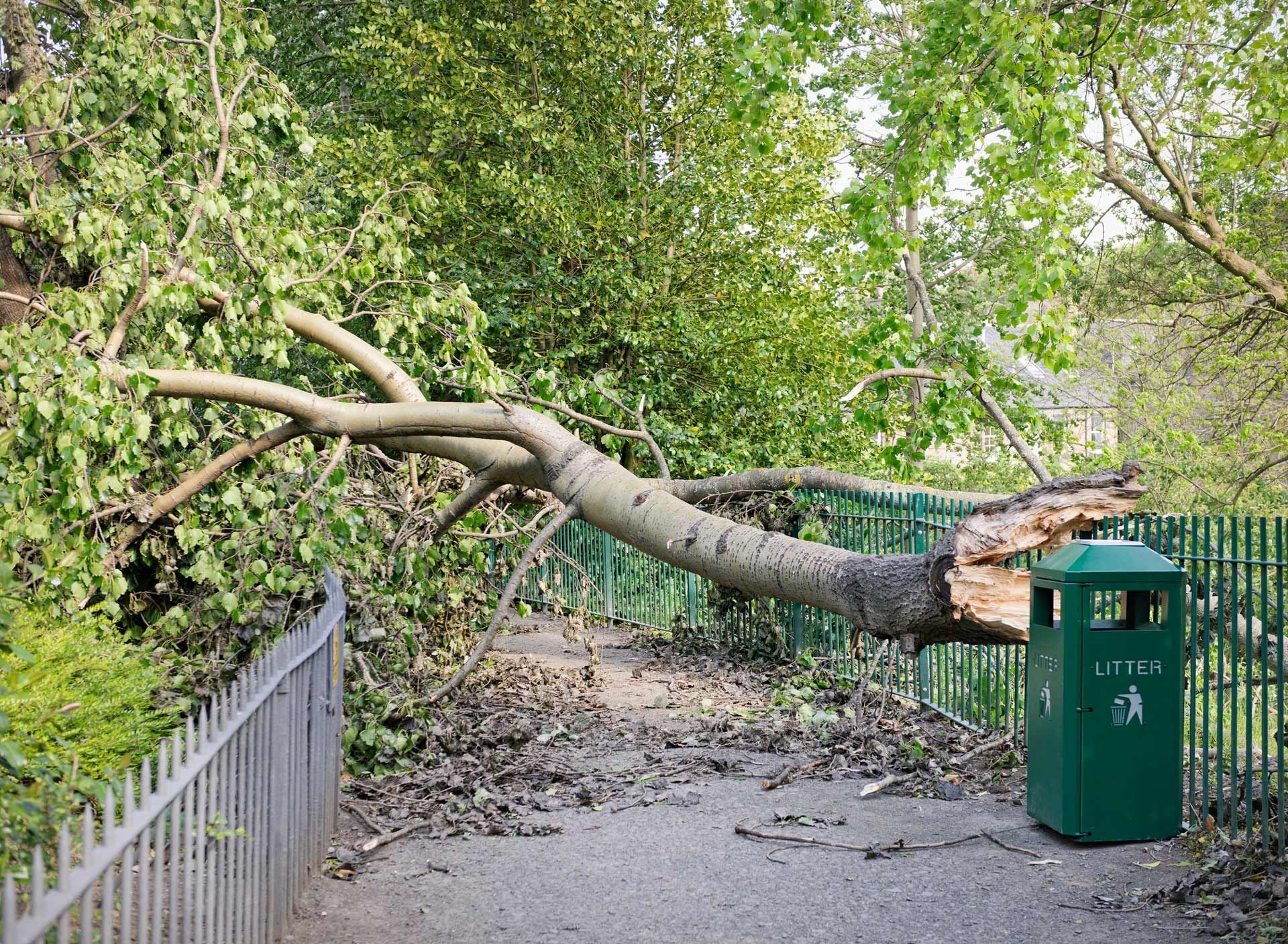
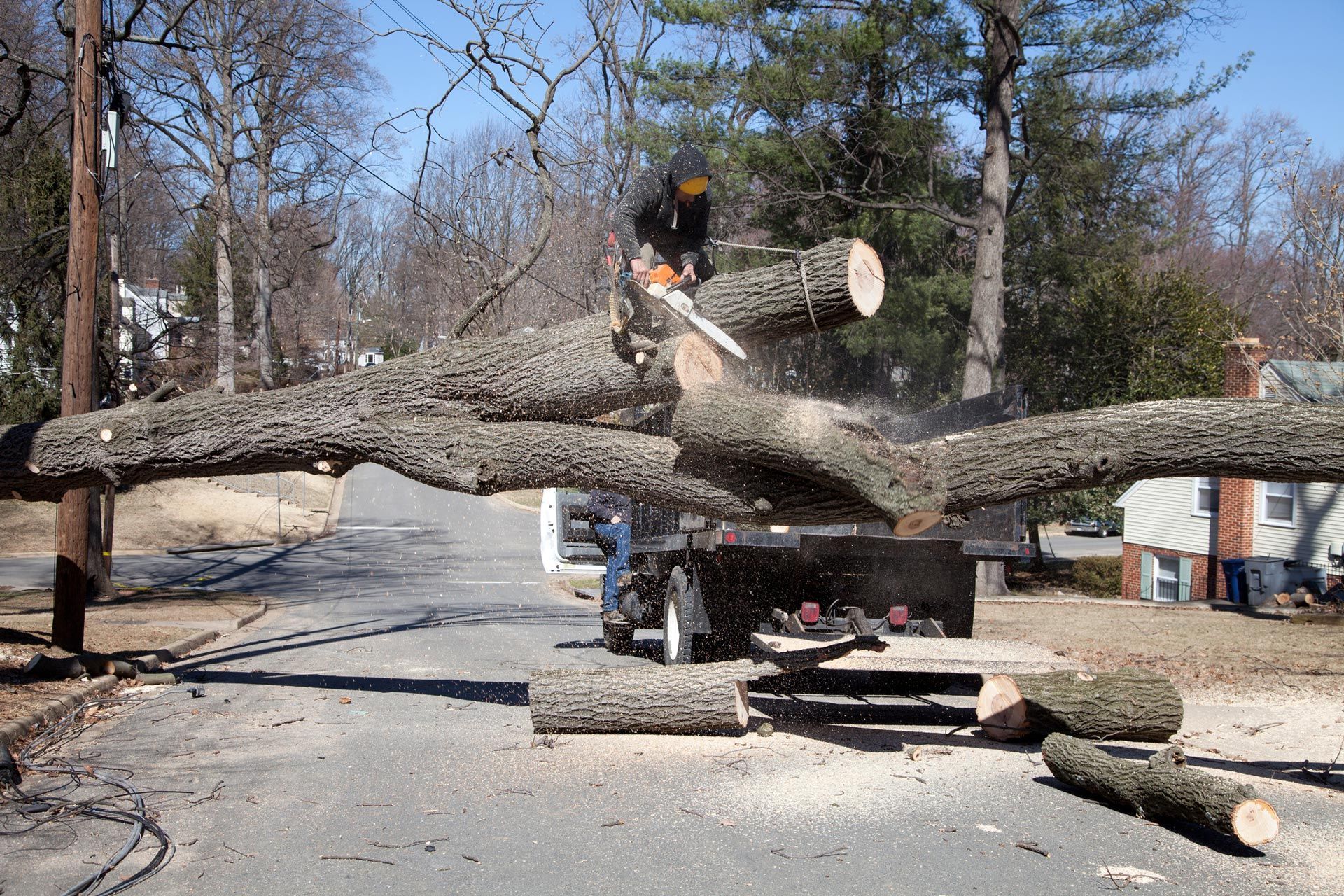
- Storm-damaged trees
- Trees with significant structural defects
- Emergency hazard reduction work
- Trees affected by severe disease or decline
However, these situations should always be assessed by a qualified arborist. Professional tree services use industry-approved techniques that balance risk reduction with the long-term health of the tree wherever possible.
The issue is rarely the reduction itself - it's when excessive cutting is performed without proper planning, knowledge, or consideration for the tree's future health.
Why Professional Tree Pruning Delivers Better Results
Tree maintenance involves far more than simply removing branches. Qualified arborists understand how trees grow, respond to pruning, and interact with their surrounding environment.
Professional tree pruning considers:
- Tree species and growth habits
- Structural integrity and branch attachment
- Weight distribution throughout the canopy
- Disease prevention strategies
- Future growth patterns
- Storm resilience
- Australian arboricultural standards and safety requirements
The objective is not simply to make a tree smaller. Instead, the goal is to maintain a safe, healthy, and structurally sound tree that continues to provide value to the property for years to come.
At
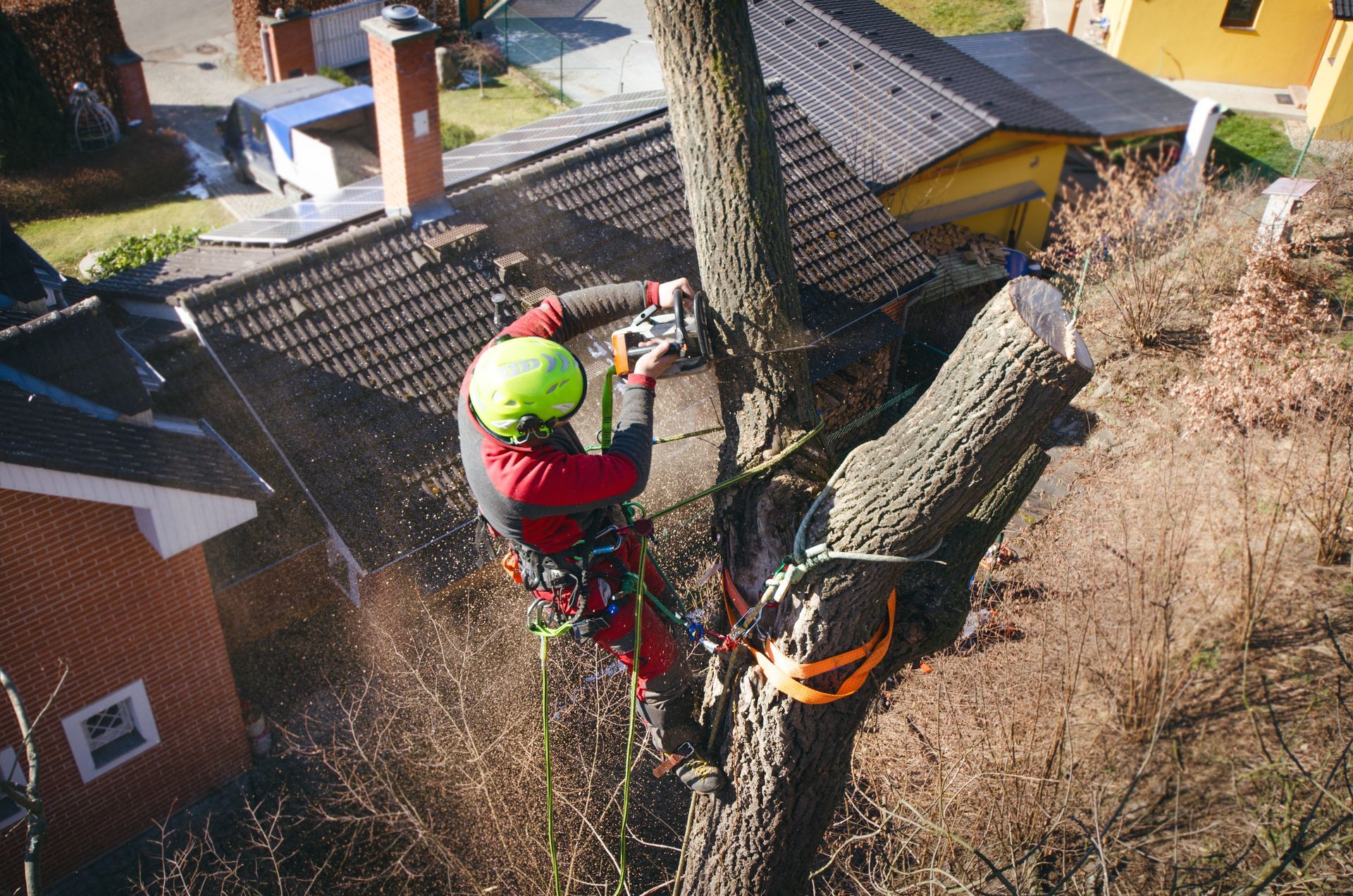
GTS Trees, our experienced team provides professional tree pruning, tree trimming, canopy reduction, and arborist services designed to promote tree health while managing potential safety risks.
Tree Pruning vs Tree Lopping: Key Differences
Tree Pruning involves:
- Selective branch removal
- Improves tree health
- Encourages healthy growth
- Maintains natural shape
- Long-term management solution
- Follows arboricultural best practices
Tree Lopping involves:
- Large-scale branch removal
- Can stress the tree
- Often causes weak regrowth
- Can distort tree structure
- Often a short-term size reduction
- May not consider future health
When Should You Contact an Arborist?
You should consider arranging a professional tree assessment if:
- Branches are overhanging your home or driveway
- You notice dead or dying limbs
- A tree has suffered storm damage
- Trees are growing too close to structures or powerlines
- You are concerned about tree safety
- You're unsure whether pruning or removal is the best option
Early intervention often helps prevent more costly problems in the future and can significantly extend the life of your trees.
The GTS Trees Approach to Tree Pruning and Tree Lopping
Although they are often confused, tree pruning and tree lopping are not the same service. Professional tree pruning is a strategic approach focused on maintaining tree health, improving safety, and encouraging strong long-term growth. By comparison, excessive or improper tree lopping can lead to structural weaknesses, ongoing maintenance issues, and a shorter tree lifespan.
If you're unsure which service your trees require, seeking advice from a qualified arborist is the best place to start. At
GTS Trees, we help property owners make informed decisions through professional tree assessments, expert pruning services, and safe tree management solutions tailored to each individual tree.
Contact us today to get started!