Common Tree Health Problems in Queensland: What Every Property Owner Should Know
Queensland’s warm, humid climate creates ideal conditions for strong tree growth, but it also supports a wide range of tree diseases, fungal infections, insect pests and parasitic plants that can impact tree health and structural safety.
At GTS Trees, we regularly assess and manage declining trees across South-East Queensland, from fungal decay in mature gums to termite-damaged and borer-infested trees.
Understanding early warning signs can help prevent property damage, tree failure and costly removals.
Common Tree Health Problems
1. Myrtle Rust (Fungal Disease)
Myrtle Rust is a highly contagious fungal disease affecting many Australian native species in the Myrtaceae family.
Signs include:
- Bright yellow or orange powdery spores
- Distorted new growth
- Leaf dieback and defoliation
- Stunted shoots
Young trees are especially vulnerable, and repeated infections can weaken long-term tree health.
2. Anthracnose (Fungal Leaf Disease)
Anthracnose is common in humid conditions and affects many shade and ornamental trees.
Symptoms:
- Dark leaf spots and blotches
- Premature leaf drop
- Twig dieback
- Patchy canopy thinning
While often not fatal, recurring infections can stress trees and reduce vigour.
3. Cypress Canker (Conifer Decline Disease)
Cypress Canker affects cypress trees and other conifers, including some pine species, and can lead to significant structural decline.
Warning signs:
- Sunken bark lesions (cankers)
- Resin bleeding from trunk or branches
- Yellowing or browning foliage
- Progressive branch dieback
In advanced cases, the disease can compromise structural stability.
4. Bracket Fungus in Gum Trees
Bracket fungi are commonly found on mature eucalyptus (gum trees) and indicate internal decay.
What to look for:
- Shelf-like fungal growth on trunk or branches
- Hollow sounding wood when tapped
- Cracks or cavities in the trunk
- Weak or failing limbs
Bracket fungi are often a sign that internal rot is already present, even if the tree appears healthy externally.
5. Termite Infestation in Trees
Termites don’t just affect buildings—they can also severely damage living trees by consuming internal wood.
Signs of termite activity:
- Hollow or weakened trunks
- Mud tunnels on bark
- Soft or crumbly wood
- Sudden limb failure
- Excessive wood dust around the base
Severely infested trees can become structurally unsafe and may fail without warning.
6. Borer Infestation
Wood borers are insects that tunnel through timber, damaging a tree’s internal structure.
Common symptoms:
- Small exit holes in bark
- Fine sawdust-like frass at the base
- Dieback in branches
- Bark splitting or lifting
- General canopy decline
Borers often target stressed or already weakened trees, making early intervention important.
7. Mistletoe Infestation
Mistletoe is a native parasitic plant that attaches itself to host trees and draws water and nutrients directly from them.
Signs include:
- Clumps of green growth in the canopy
- Thinning foliage around infestation points
- Reduced tree vigour
- Branch dieback near attachment sites
While a small amount of mistletoe is sometimes tolerated in bushland environments, heavy infestations can severely weaken urban trees.
How to Tell If Your Tree Is in Trouble
Whether the issue is fungal, insect-related or parasitic, common warning signs include:
- Dead or dying branches
- Leaf discolouration or loss
- Visible fungus on trunk or roots
- Holes or tunnelling in wood
- Resin or sap bleeding
- Hollow or weakened trunk sections
- Leaning or unstable trees
If multiple symptoms appear together, the tree should be assessed by a qualified arborist.
Can Affected Trees Be Saved?
In some cases, yes.
Depending on severity, arborists may be able to:
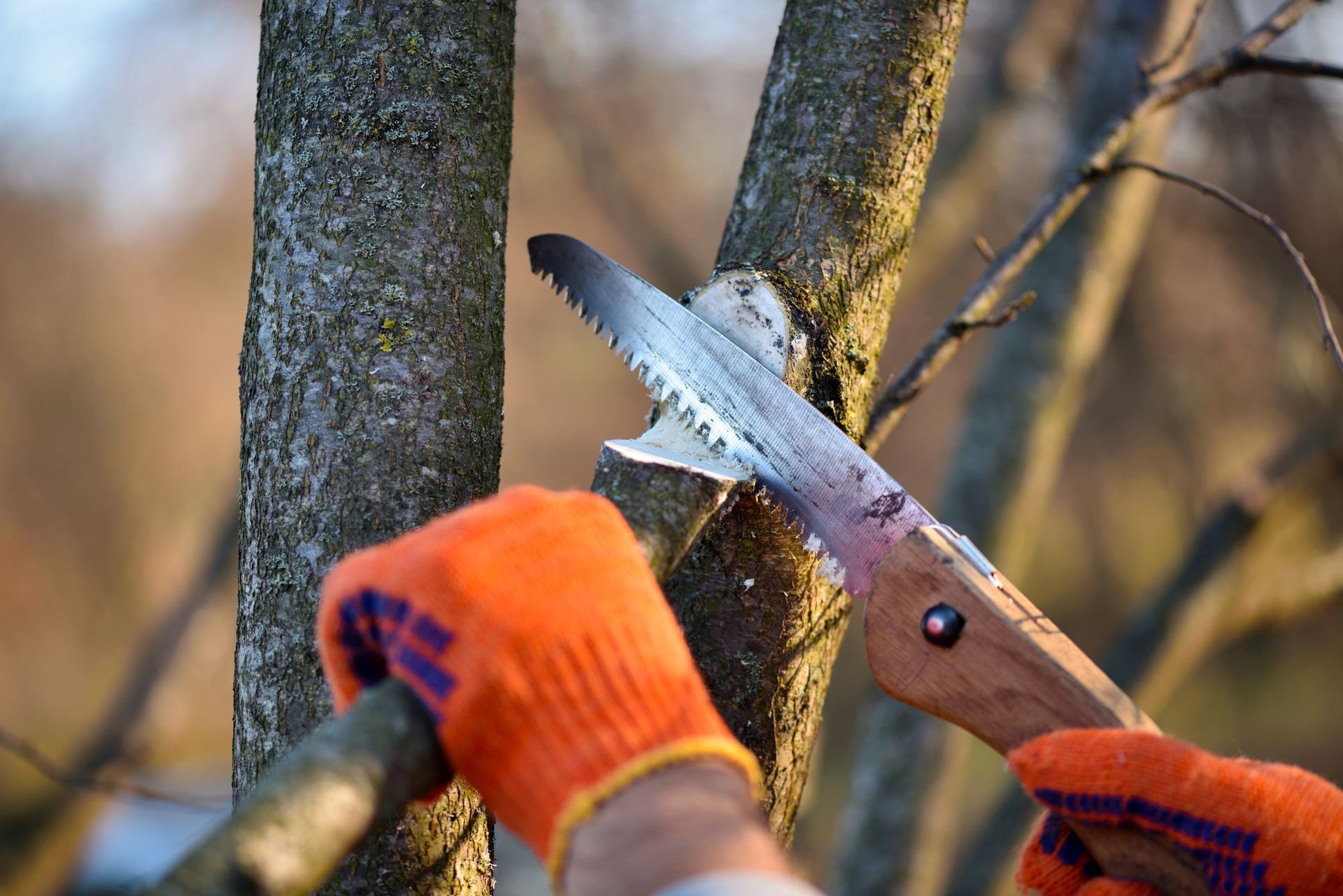
- Remove infected branches
- Reduce canopy stress
- Improve soil and drainage conditions
- Treat pest infestations
- Monitor progression over time
However, trees with advanced structural damage (especially from termites, borers, or internal decay fungi) may require removal for safety reasons.
Professional Tree Health Inspections Matter
Early diagnosis is critical. Many serious tree problems develop internally before visible symptoms appear.
Regular inspections help identify:
- Hidden decay
- Pest activity
- Structural weakness
- Disease progression
Trust GTS Trees for Expert Tree Health Management
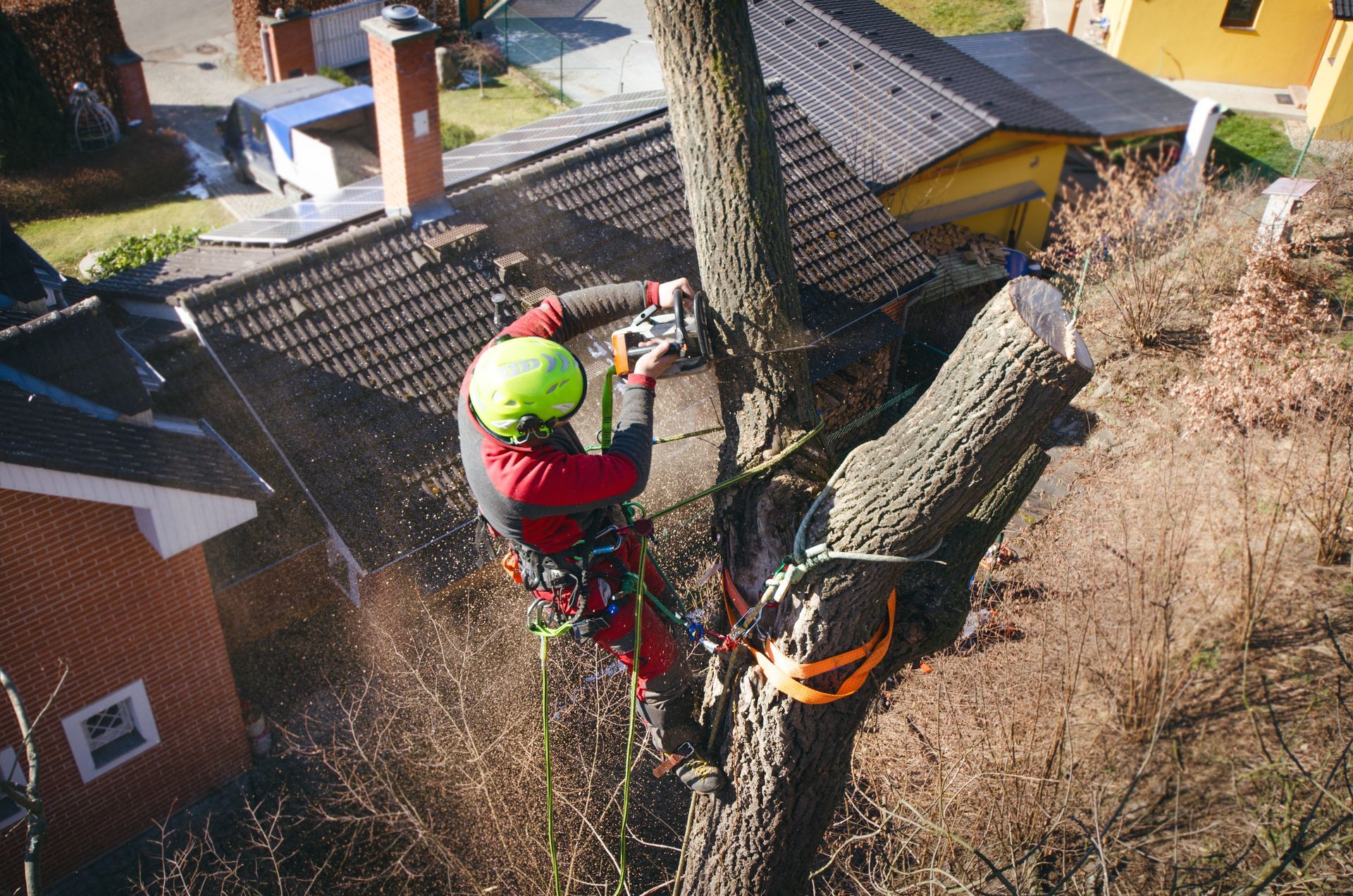
At GTS Trees, we provide professional tree inspections, pruning, pest management advice and safe tree removal across South-East Queensland.
Our qualified arborists assess tree health, identify risks and recommend practical solutions based on industry best practice and Queensland environmental conditions.
Whether you're dealing with fungal disease, termite damage, borer infestation or declining canopy health, our team can help you make the right decision for your property.
Contact GTS Trees today to arrange a professional tree assessment.