Tree Pruning Mistakes Homeowners Should Avoid
Pruning your trees can improve their health, appearance and safety, but only when it's done correctly. Unfortunately, many homeowners unknowingly make pruning mistakes that can weaken trees, encourage disease or create safety hazards.
At
GTS Trees, we regularly help property owners across South-East Queensland correct poor pruning practices and maintain healthy, structurally sound trees.
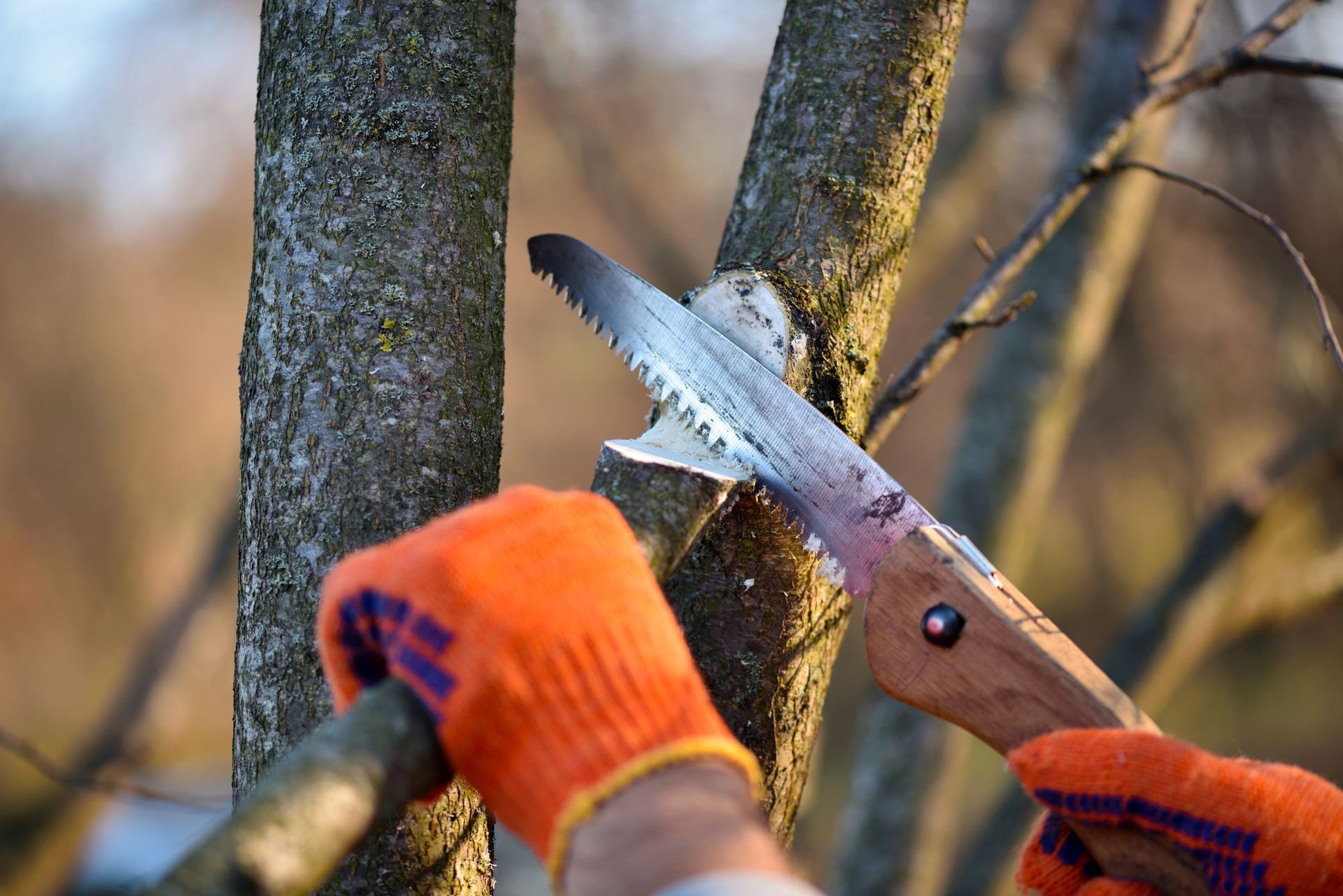
Most Common Tree Pruning Mistakes Homeowners Should Avoid
Here are some of the most common tree pruning mistakes homeowners should avoid:
1. Pruning at the Wrong Time of Year
Many tree species have ideal pruning seasons. Cutting branches during periods of active growth or extreme heat can place unnecessary stress on the tree and slow its recovery.
In Queensland, timing is especially important due to the warmer climate and seasonal storms. Pruning before storm season can help reduce the risk of branch failure, while avoiding unnecessary pruning during periods of extreme heat helps minimise stress on the tree.
2. Removing Too Much of the Canopy
A common mistake is over-pruning, where too much foliage is removed in one go.
Leaves are essential for producing the energy a tree needs to stay healthy. Removing more than around 20-30% of the canopy at once can reduce the tree's ability to recover and make it more vulnerable to pests, disease and sun damage.
Professional arborists know how to balance canopy reduction while maintaining the tree's long-term health.
3. Topping Trees
Tree topping involves cutting large branches or the main trunk back to reduce a tree's height.
While it may seem like a quick solution, topping is one of the most harmful pruning practices. It often leads to:
- Weak regrowth
- Increased risk of branch failure
- Higher maintenance costs
- Greater susceptibility to decay and disease
- A shortened tree lifespan
Correct crown reduction or selective pruning is a far safer and healthier alternative.
4. Making Incorrect Pruning Cuts
Where you make the cut matters just as much as what you remove.
Leaving long branch stubs or cutting too close to the trunk can slow healing and increase the risk of decay. Proper pruning cuts should be made just outside the branch collar, (the swollen area where the branch joins the trunk) to allow the tree to seal the wound naturally.
5. Using Dirty or Blunt Equipment
Pruning tools should always be clean and sharp.
Blunt blades can tear bark rather than make clean cuts, while dirty equipment can spread fungal diseases and bacteria between trees.
Professional arborists regularly sanitise and maintain their equipment to reduce these risks.
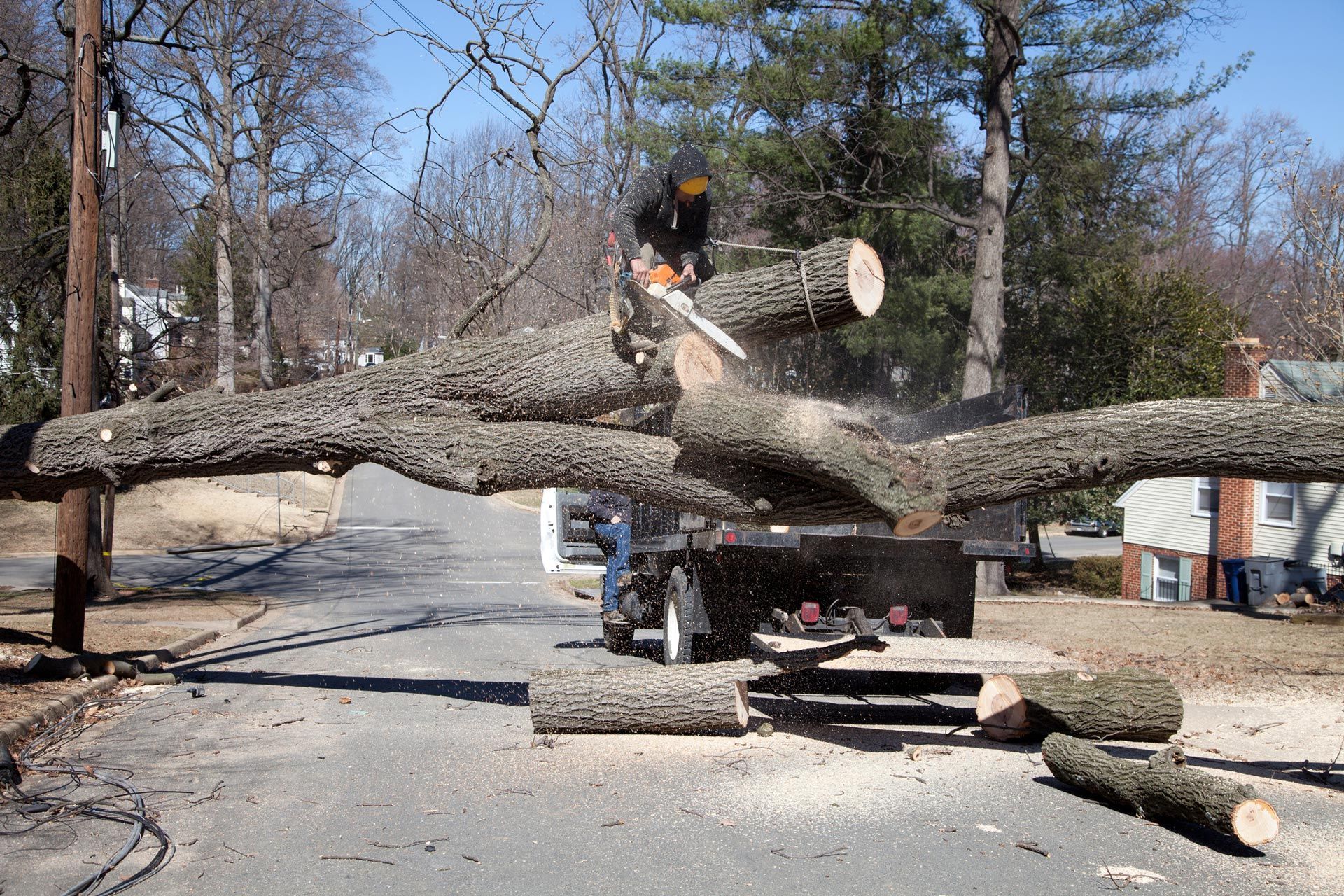
6. Pruning Large Branches Without the Right Equipment
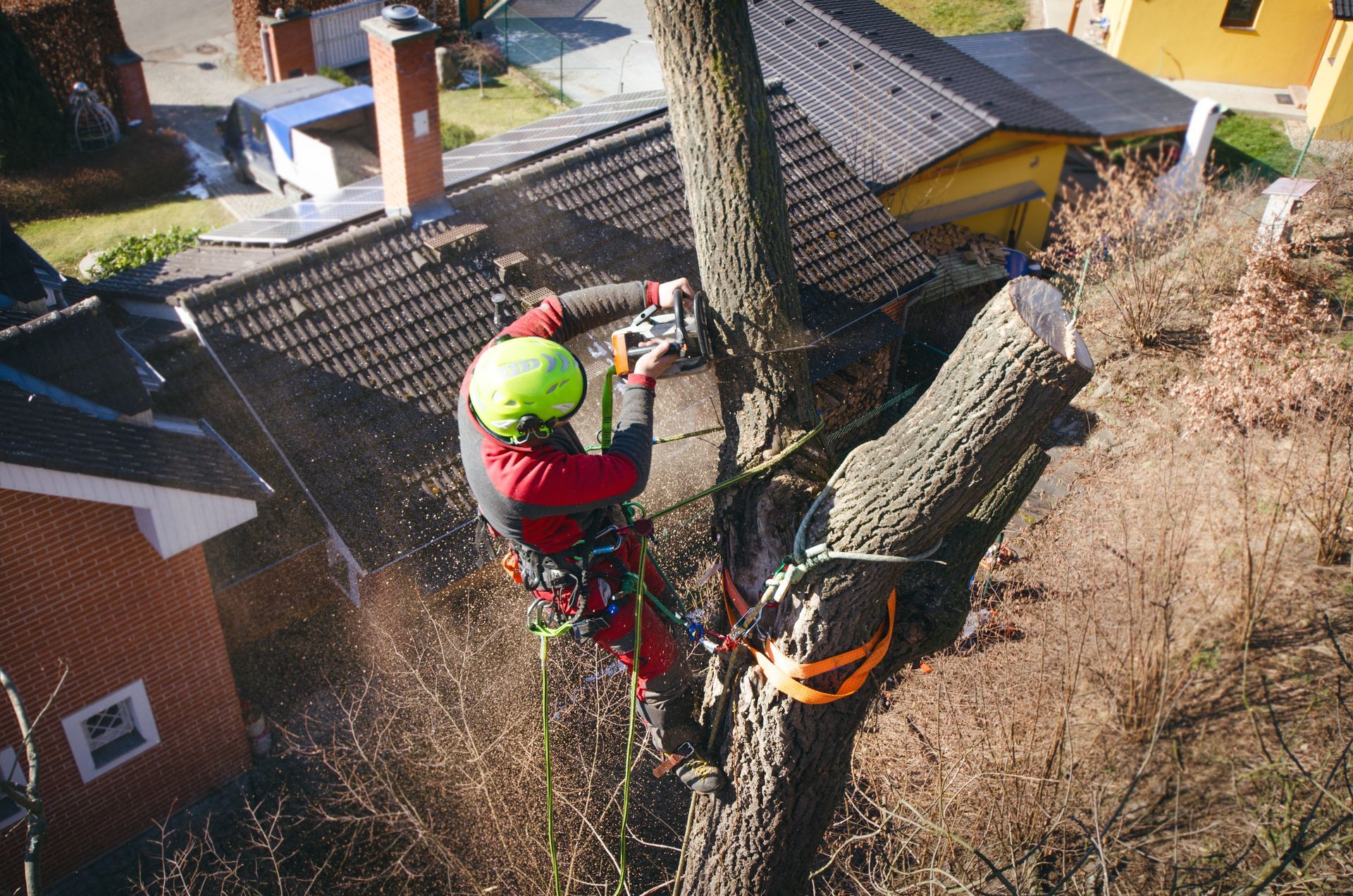
Removing heavy limbs without the proper techniques can cause significant damage to both the tree and surrounding property.
Large branches can split unexpectedly, tear bark from the trunk or fall in unpredictable directions. If branches are located near homes, fences, sheds or powerlines, pruning should always be left to qualified professionals.
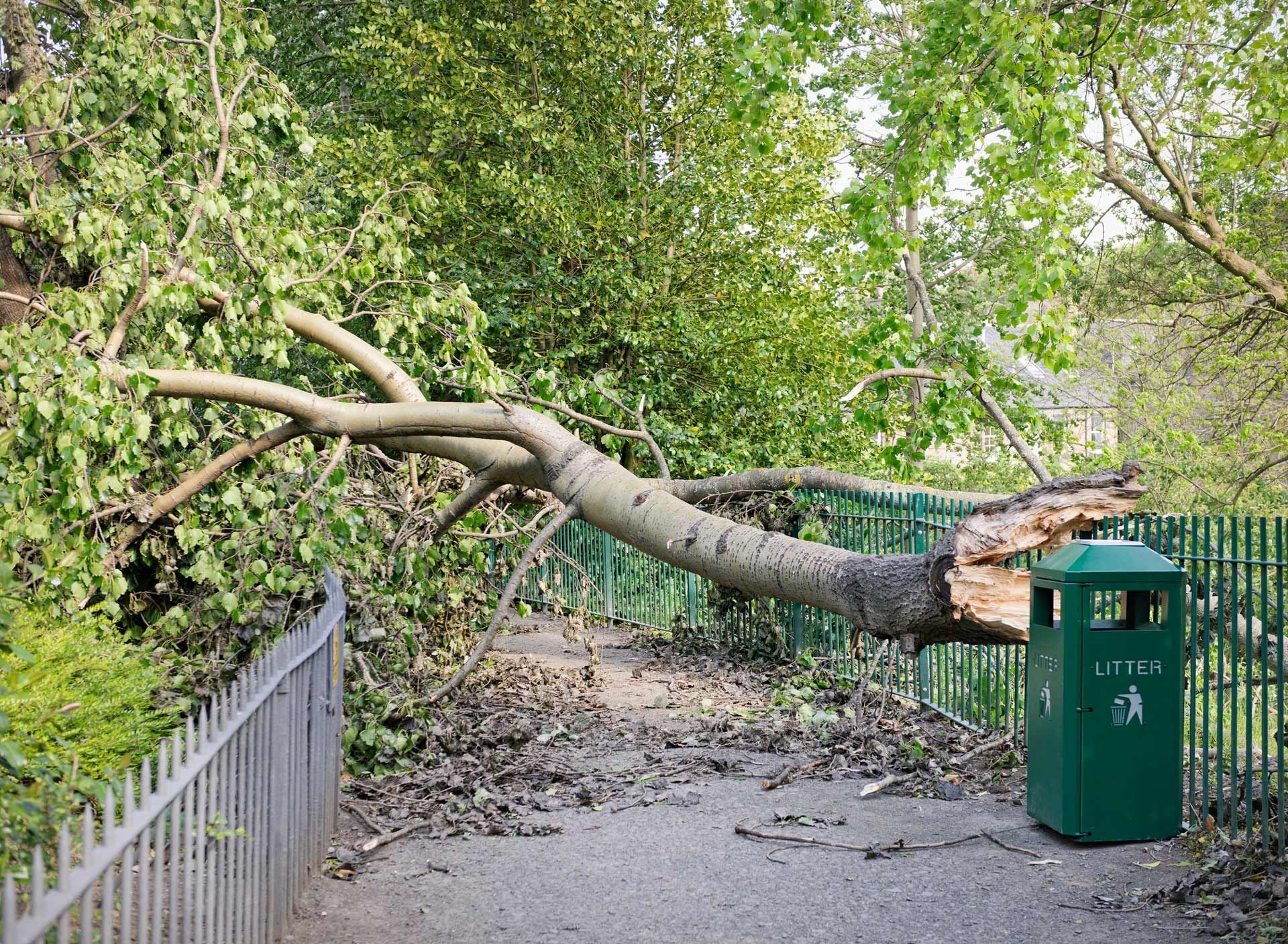
7. Ignoring Dead or Hazardous Branches
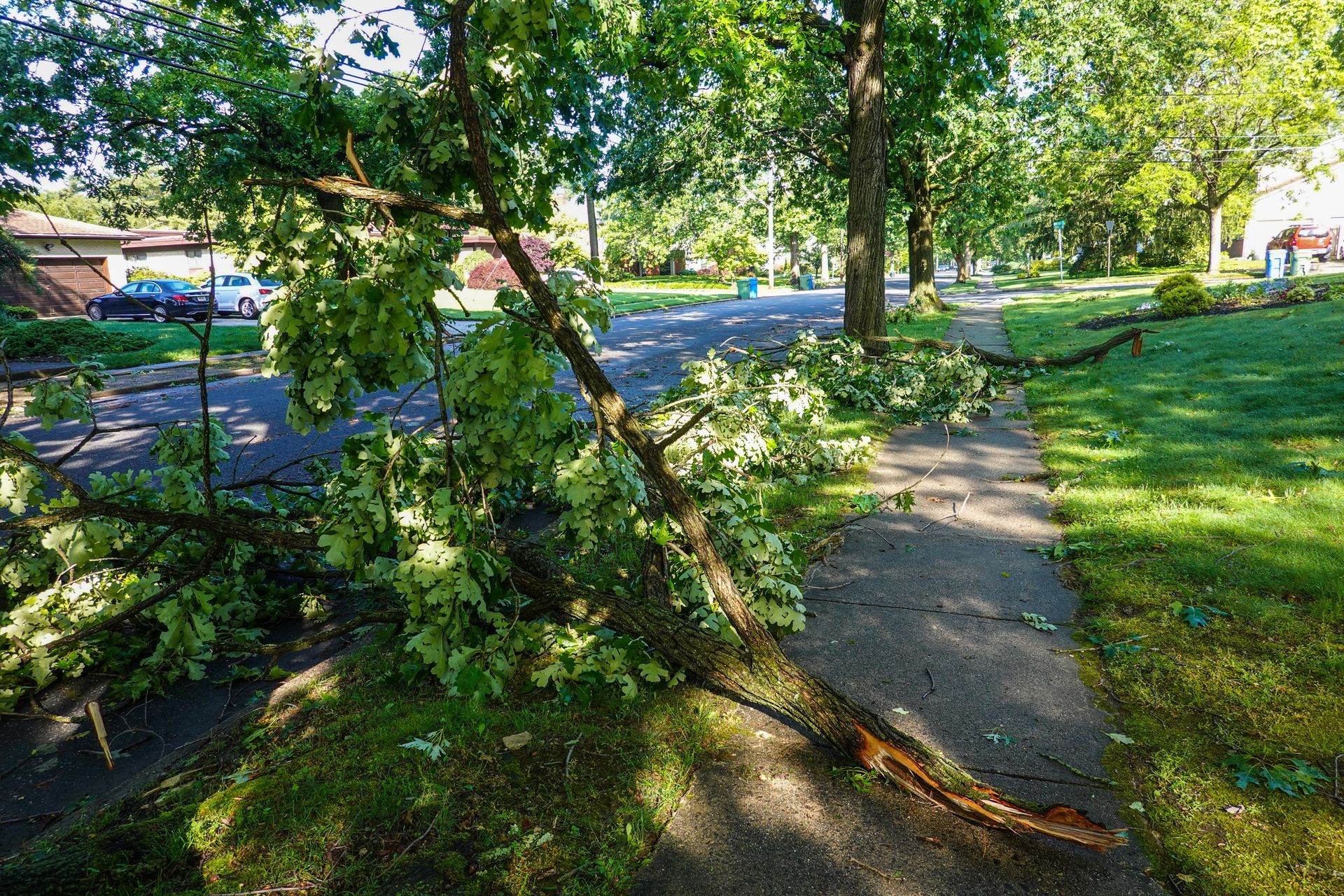
Dead, cracked or hanging branches should never be ignored.
These branches can fall without warning, particularly during strong winds or storms, posing a serious risk to people and property.
Regular inspections and preventative pruning can significantly improve the safety of your property.
When Should You Call a Professional Arborist?
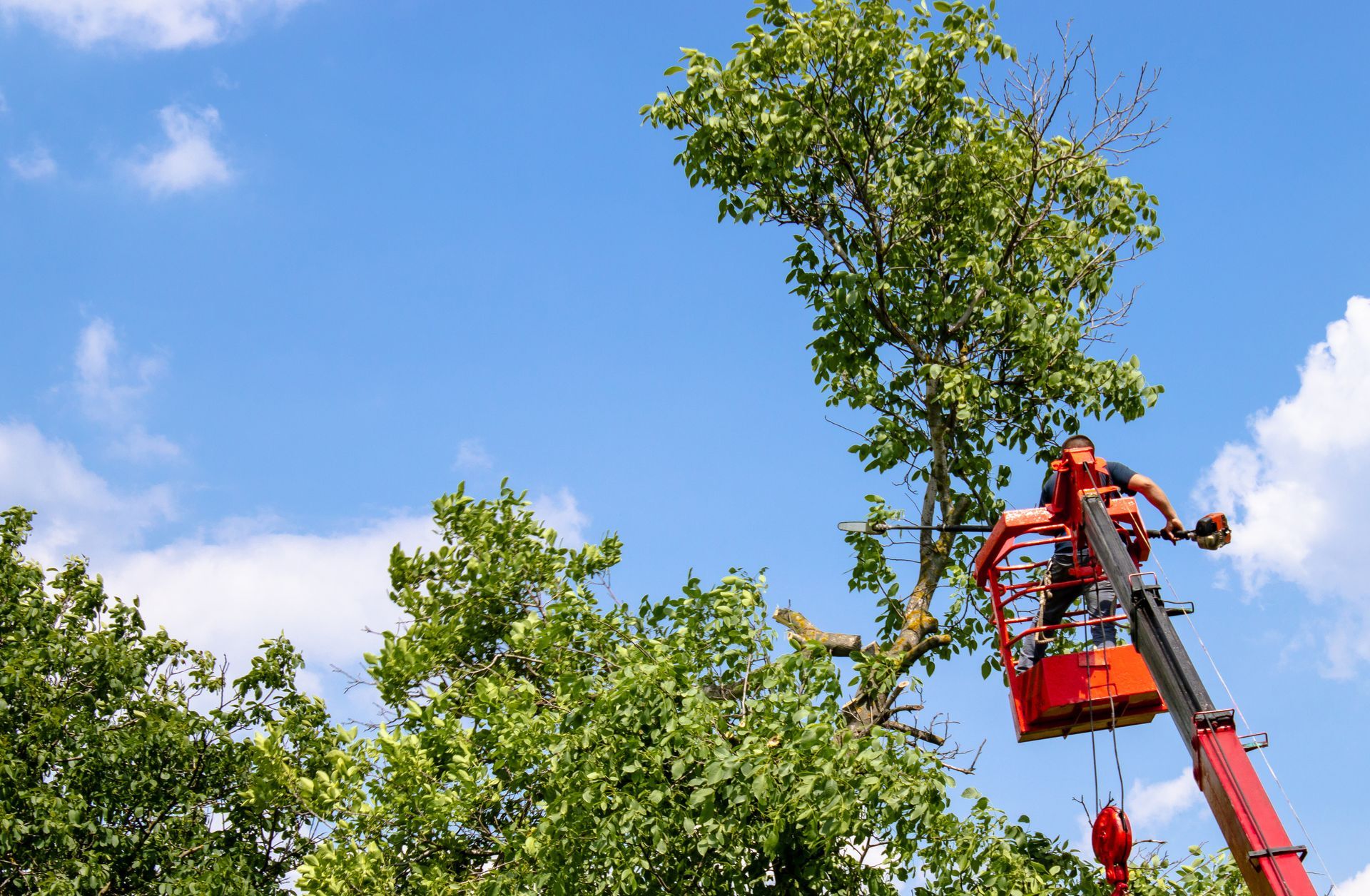
While small pruning jobs may be suitable for homeowners, larger or more complex work is best left to experienced arborists.
You should contact a professional if:
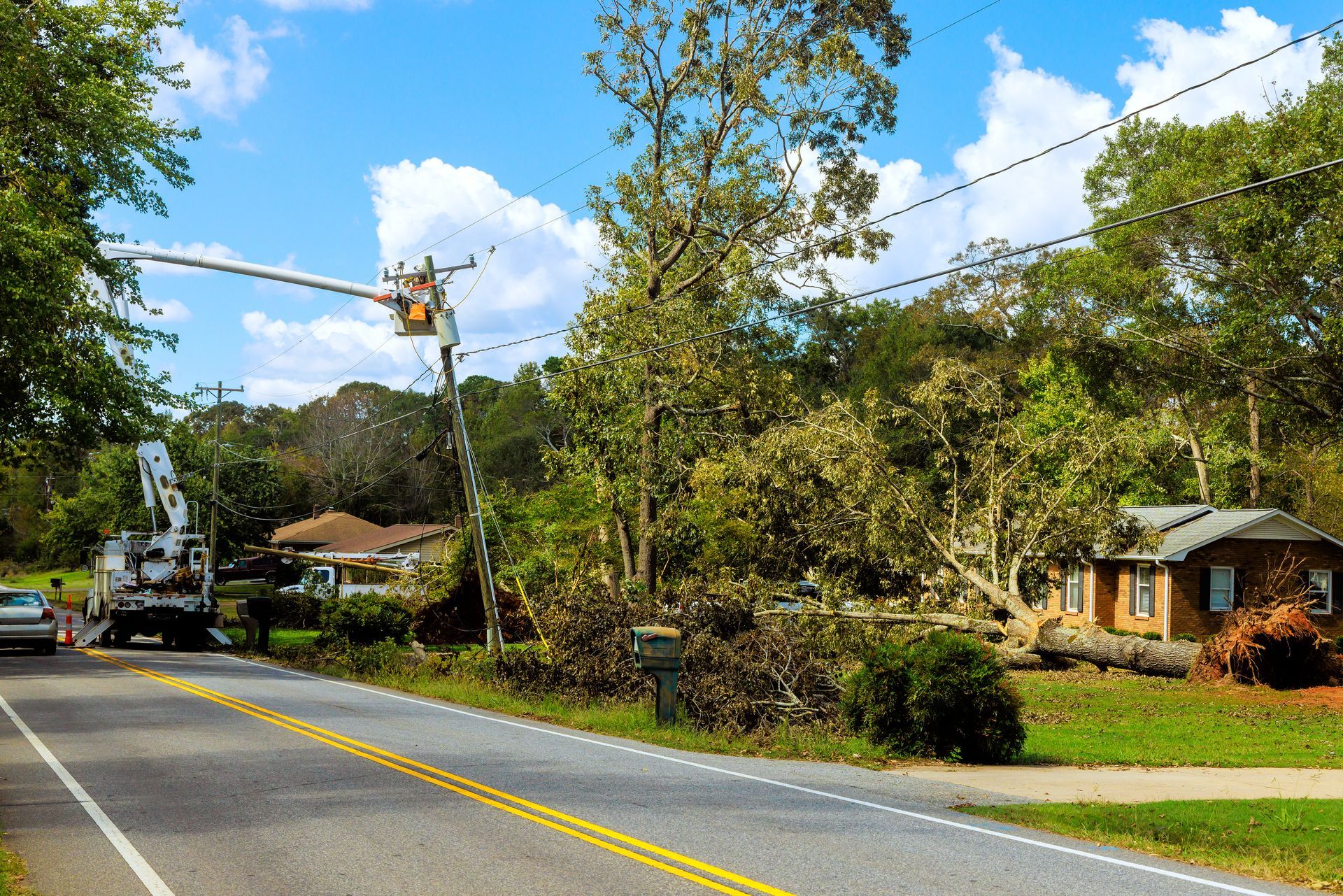
- Branches are close to powerlines.
- The tree is large or difficult to access.
- Heavy limbs require removal.
- You're unsure how much to prune.
- The tree appears unhealthy or unstable.
- Storm damage has occurred.
Qualified arborists understand tree biology and can prune safely while preserving the health and structure of your trees.
Trust GTS Trees for Professional Tree Pruning
At GTS Trees, our experienced team provides professional tree pruning services throughout South-East Queensland. Whether your goal is improving tree health, reducing storm risks or maintaining the appearance of your property, we use industry best practices to ensure every tree is pruned correctly.
Our fully qualified arborists assess each tree individually and provide tailored pruning solutions that promote healthy growth while protecting your home and surrounding landscape.
If your trees are overdue for maintenance or you'd like expert advice on the best pruning approach,
contact GTS Trees today for professional, reliable service.