What Does an Arborist Do
What Does an Arborist Actually Do? And When Should You Call One
If you've ever looked at a large gum tree leaning over a roof, a storm-damaged branch hanging above a driveway, or a tree that suddenly doesn't look healthy, you've probably wondered, “what does an arborist actually do?” The short answer is that an arborist is a trained tree care professional who assesses, maintains, and manages trees to keep people safe and trees healthy. Arborists don't just cut trees down. In many cases, their job is to preserve trees, reduce risk, improve structure, and help trees thrive for decades.
At
GTS Trees, our qualified arborists work across
Brisbane,
Ipswich,
Toowoomba,
Warwick,
Tamborine, and surrounding areas, helping homeowners, businesses, and councils make informed decisions about tree care.
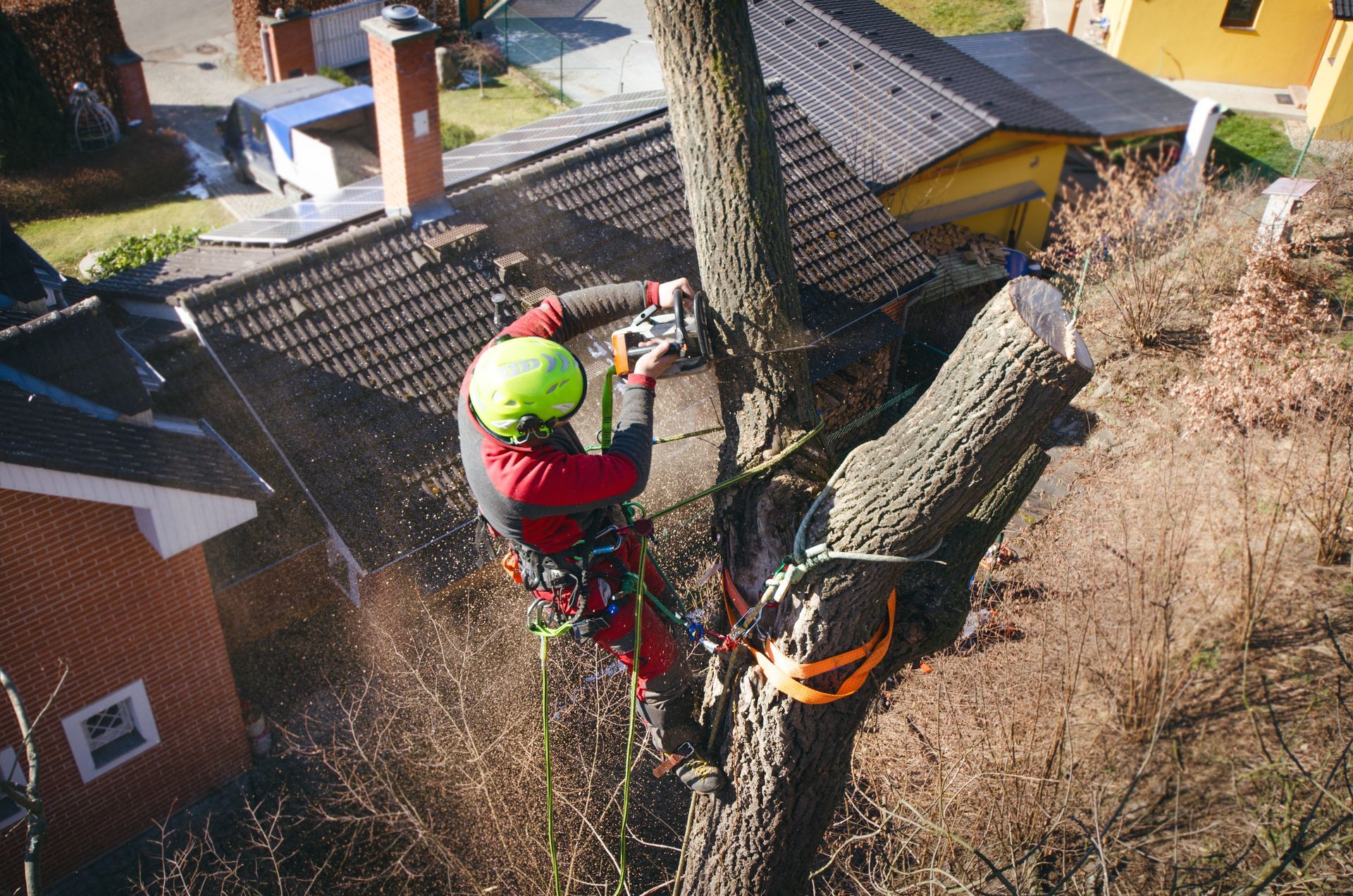
What Is an Arborist?
An arborist (sometimes called a tree surgeon) is a specialist trained in the science and practice of tree care, known as arboriculture. Arborists assess tree health, identify hazards, recommend maintenance, and carry out work such as pruning, removal, stump grinding, and emergency storm response. Industry bodies in Australia, including Arboriculture Australia and the Tree Contractors Association Australia, promote professional standards and best practices for tree care.
Think of it this way, a landscaper focuses on gardens, a builder focuses on structures, and an arborist focuses on the health, safety, and management of trees.
The 7 Main Things an Arborist Does
1. Inspect and Assess Trees
Most common: An arborist's first job is often diagnosis. They look for:
- Dead or dying branches
- Cracks, cavities, and structural weaknesses
- Pest or disease issues
- Root damage
- Leaning or unstable trees
- Storm damage
For example, a large eucalyptus may appear healthy from the ground but have decay inside the trunk that increases the risk of branch failure. A qualified arborist can identify these problems before they become expensive or dangerous.
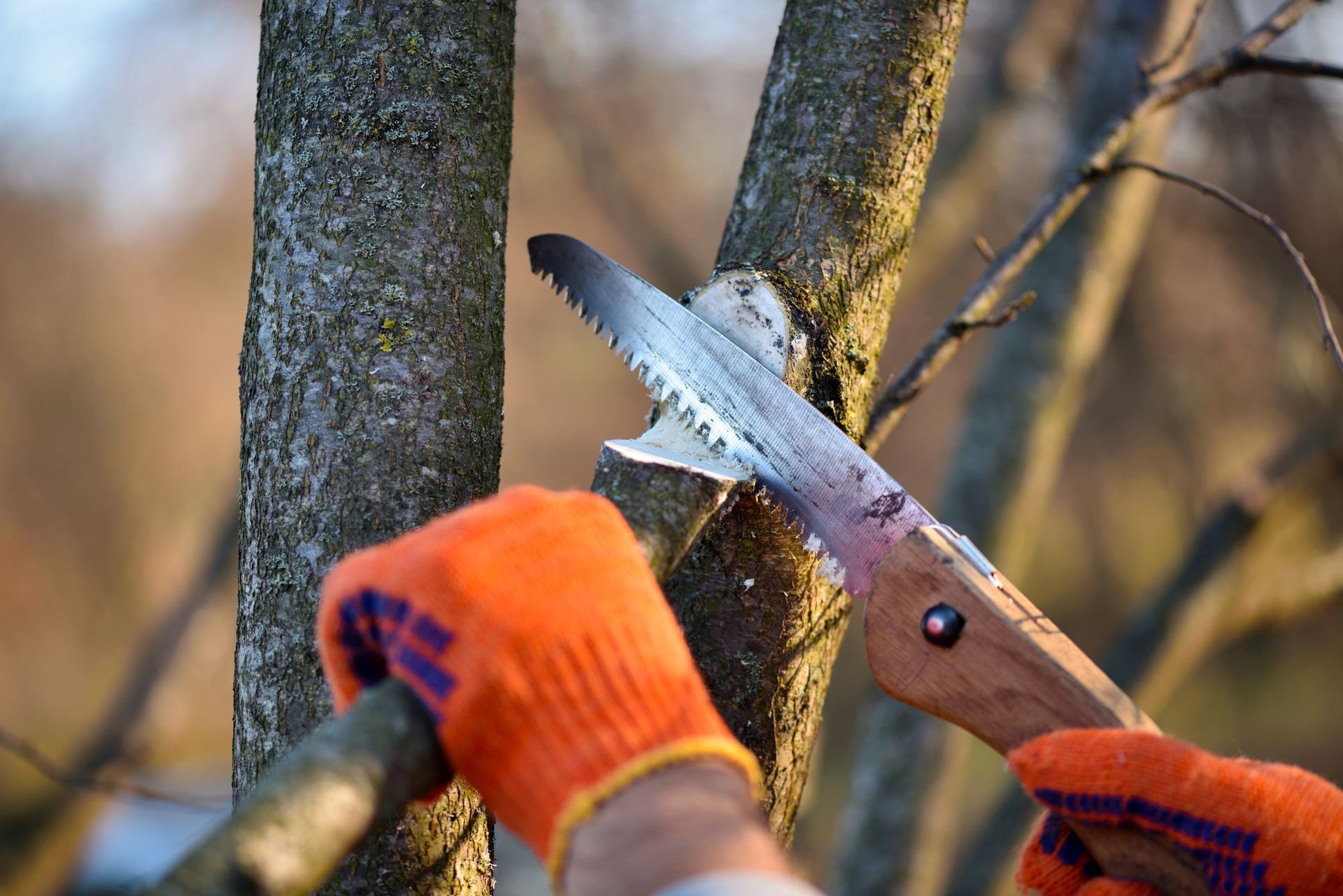
2. Prune Trees Properly
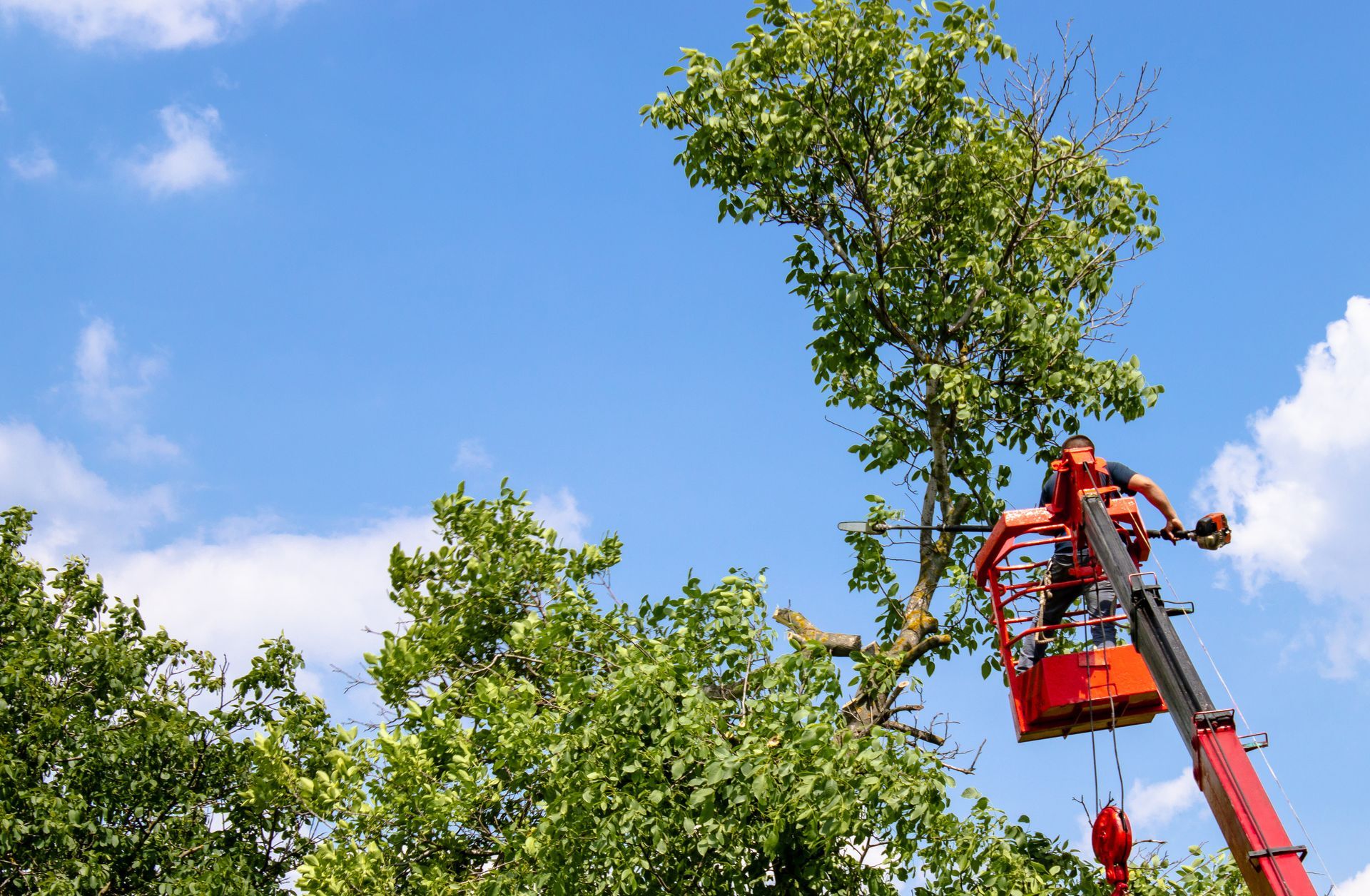
Tree health: Pruning is much more than cutting branches at random. Professional pruning can:
- Remove dead or hazardous limbs.
- Improve the tree's structure.
- Reduce weight on overextended branches.
- Increase clearance from buildings, driveways, and powerlines.
- Improve light and airflow through the canopy.
Good pruning follows arboricultural principles that minimise stress on the tree and help it recover properly. Poor pruning, by contrast, can shorten a tree's life and create future hazards.
3. Remove Dangerous or Unwanted Trees
Risk reduction: Sometimes removal is the safest option. Arborists may recommend removal when a tree is:
- Dead or irreversibly declining
- Structurally unsafe
- Severely storm-damaged
- Causing significant property damage
- In the way of approved construction works
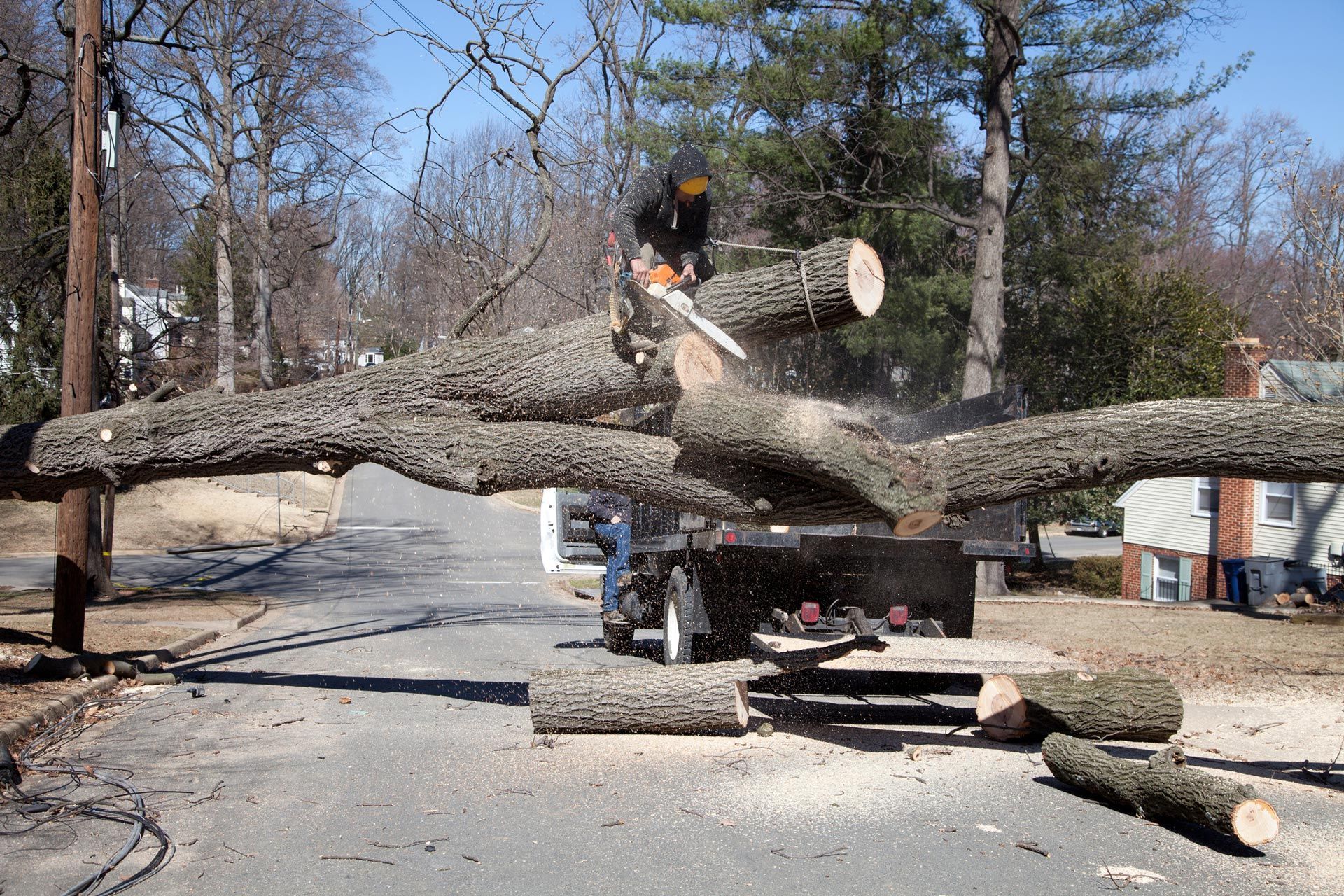
Removing a large tree is a highly technical process. Arborists often dismantle trees in sections, lowering branches and trunk pieces safely to the ground. Safe Work Australia identifies tree removal as high-risk work that requires careful planning, exclusion zones, and specialised equipment.
4. Grind and Remove Stumps
Site cleanup: After a tree is removed, the stump often remains. Arborists use stump grinders to remove it below ground level, which:
- Eliminates trip hazards
- Prevents regrowth
- Reduces pest habitat
- Frees up space for landscaping or construction
Stump grinding is specifically recognised as part of professional tree work guidance in Australia.
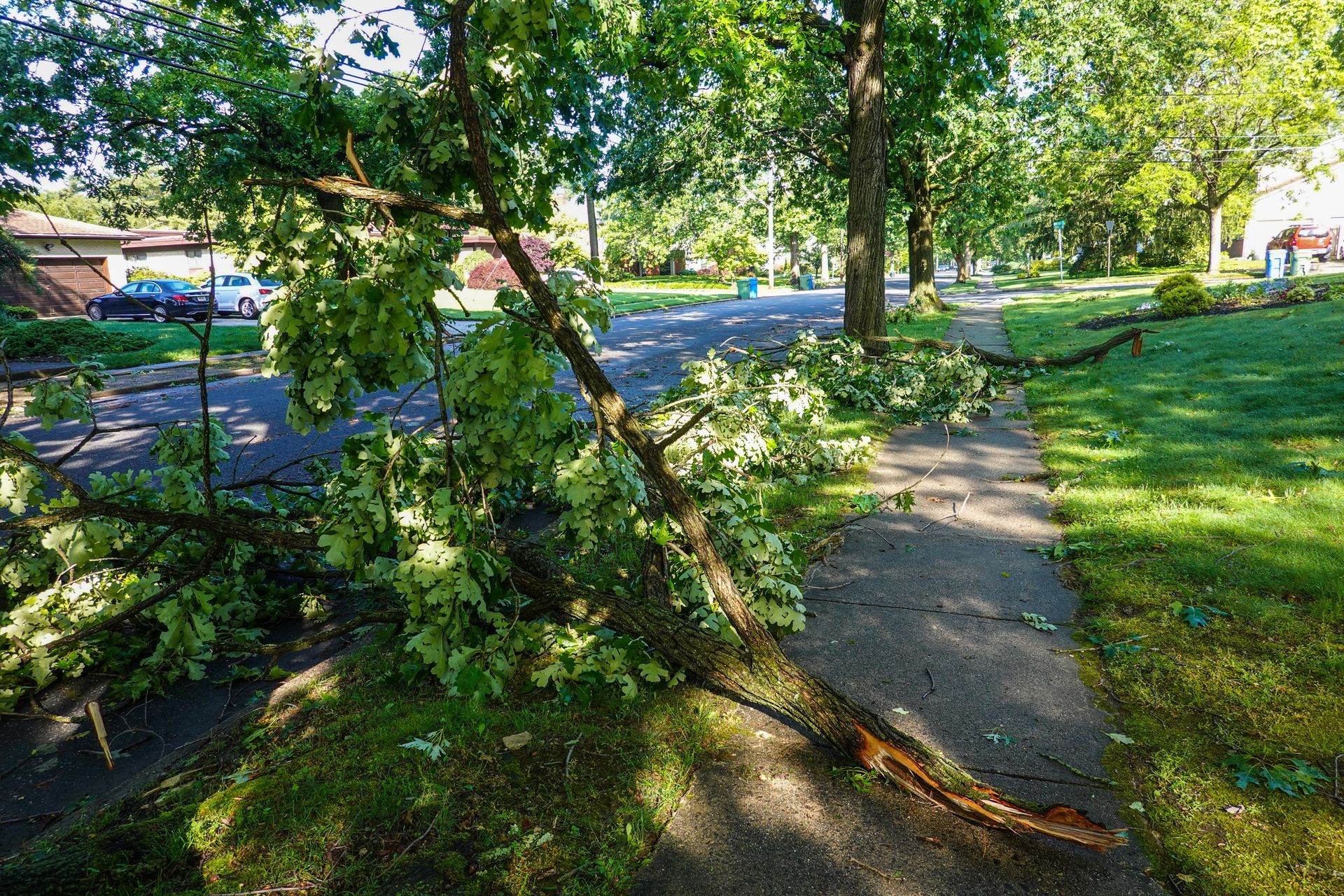
5. Respond to Storm Damage
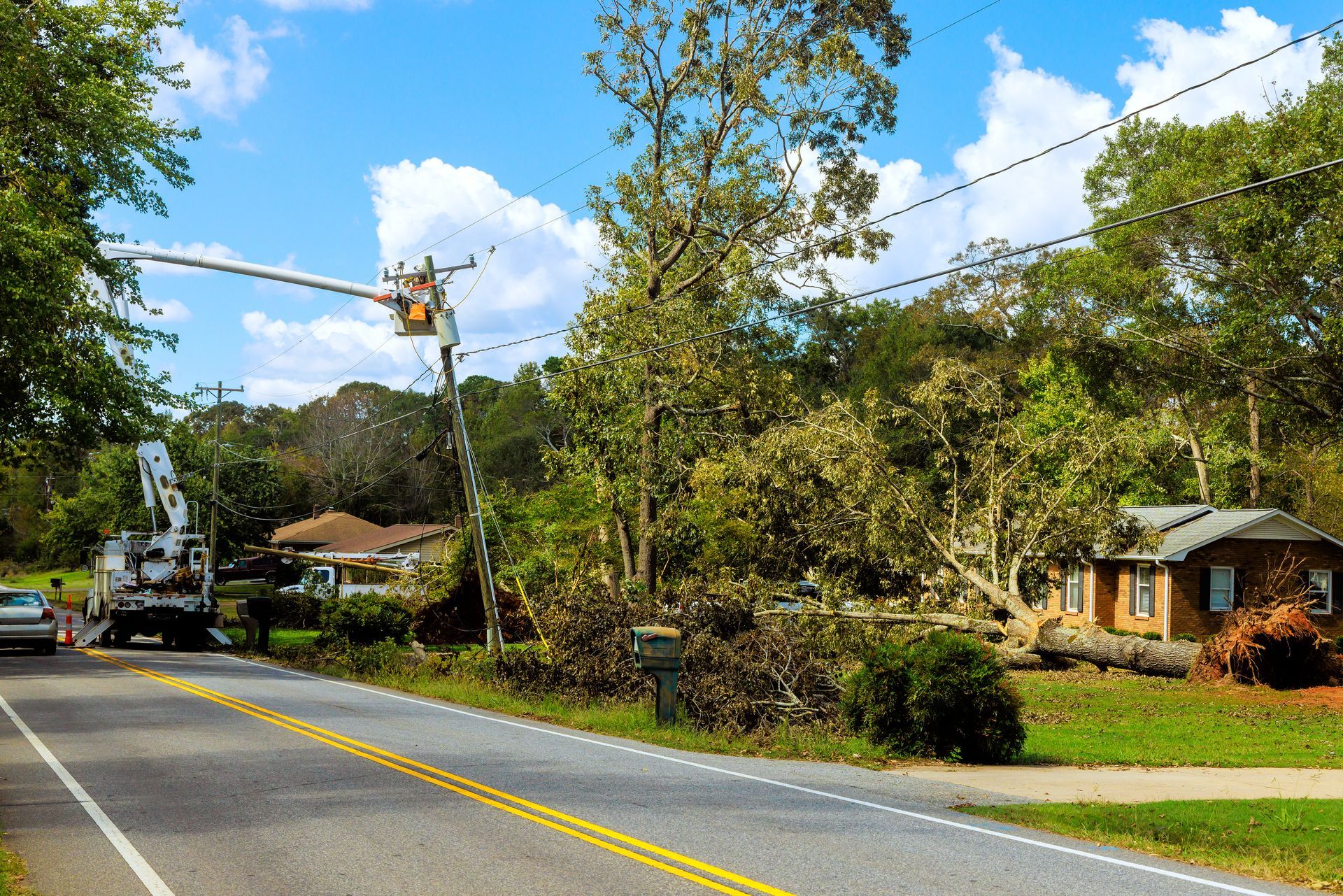
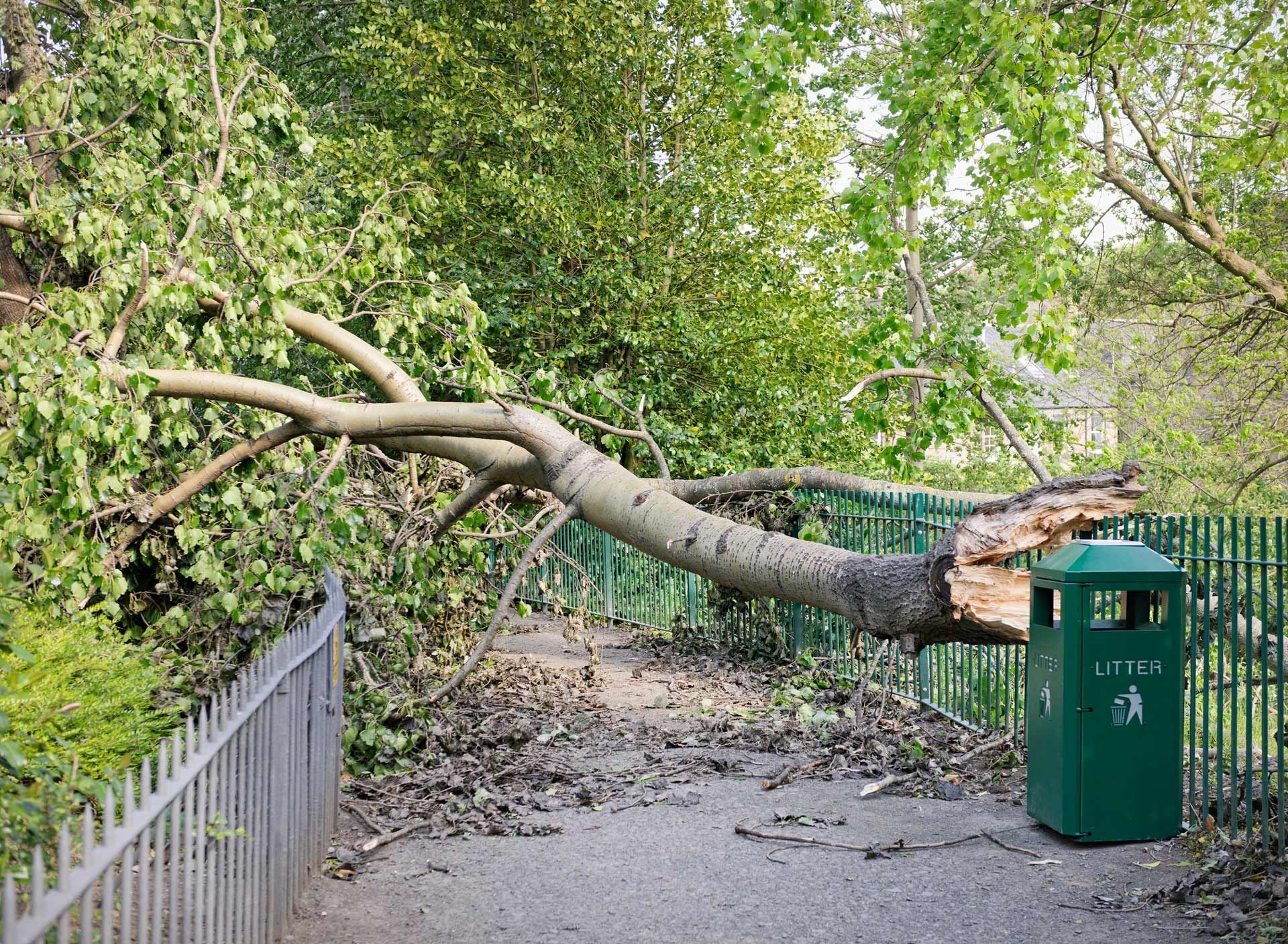
Emergency: In South-East Queensland, severe weather can bring down branches or destabilise entire trees. Emergency arborist work may include:
- Removing fallen limbs from roofs, fences, and driveways
- Stabilising partially failed trees
- Clearing access for emergency services or residents
- Assessing whether a damaged tree can be saved or should be removed
Fast response is important, but so is safety. Storm-damaged trees can fail unpredictably, which is why professional assessment matters.
6. Prepare Arborist Reports
Compliance: Many councils require a formal arborist report before protected trees can be pruned or removed. These reports may assess:
- Tree species and condition
- Structural defects
- Risk to people or property
- Whether pruning or removal is justified
For example, Queensland councils may require assessment by a suitably qualified arborist before making decisions about protected trees.
7. Help Trees Stay Healthy
Long-term care: Not every call-out is about danger. Arborists also provide preventive care such as:
- Canopy thinning
- Structural pruning for young trees
- Root-zone protection during construction
- Mulching and soil management advice
- Monitoring valuable or significant trees
The goal is often to avoid future problems, not just fix current ones.
What Arborists Don't Do
A common misconception is that arborists simply "lop" trees. In reality, professional arboriculture is about tree management. A good arborist will usually try to preserve a healthy tree if it can be made safe through pruning or other treatment.
Arborists generally do not:
- Top trees indiscriminately.
- Remove healthy trees without a valid reason.
- Ignore local council regulations.
- Perform unsafe work around powerlines or unstable trees.
When Should You Call an Arborist?
Call an arborist if you notice:
- Large dead branches in the canopy
- Cracks in the trunk
- A tree suddenly leaning more than before
- Branches touching your roof
- Roots damaging structures or paving
- Storm damage after high winds
- Fungal growth around the base of the tree
- Leaves declining unexpectedly
It's also worth arranging a proactive inspection when:
- Buying a property with mature trees.
- Planning renovations or building works.
- Preparing for storm season.
- Managing trees near schools, businesses, or public areas.
How to Choose a Qualified Arborist in Queensland
Look for a contractor who can demonstrate:
- Relevant arboricultural qualifications - (AQF Level 3 or 5).
- Public liability and workers compensation insurance - Ask for evidence of current cover.
- Experience with your type of tree and site conditions - Residential, commercial, council, steep blocks, or large removals all require different experience.
- Knowledge of local council requirements - Protected vegetation rules vary between councils.
- A clear written quote and scope of work - This helps avoid misunderstandings and makes it easier to compare options.
Get Professional Help with Arborists at GTS Trees
So, what does an arborist actually do? An arborist is a tree specialist who assesses, maintains, protects, and, when necessary, safely removes trees. Their work combines biology, risk assessment, climbing skills, specialised equipment, and knowledge of Australian safety standards.
At GTS Trees, we help property owners with:
- Tree pruning and shaping
- Hazard assessments
- Safe tree removal
- Stump grinding and removal
- Emergency storm response
- Arborist advice and reporting
If you're unsure whether a tree is healthy, hazardous, or simply overdue for maintenance, a professional arborist inspection is often the safest and most cost-effective place to start.
Contact GTS Trees today!